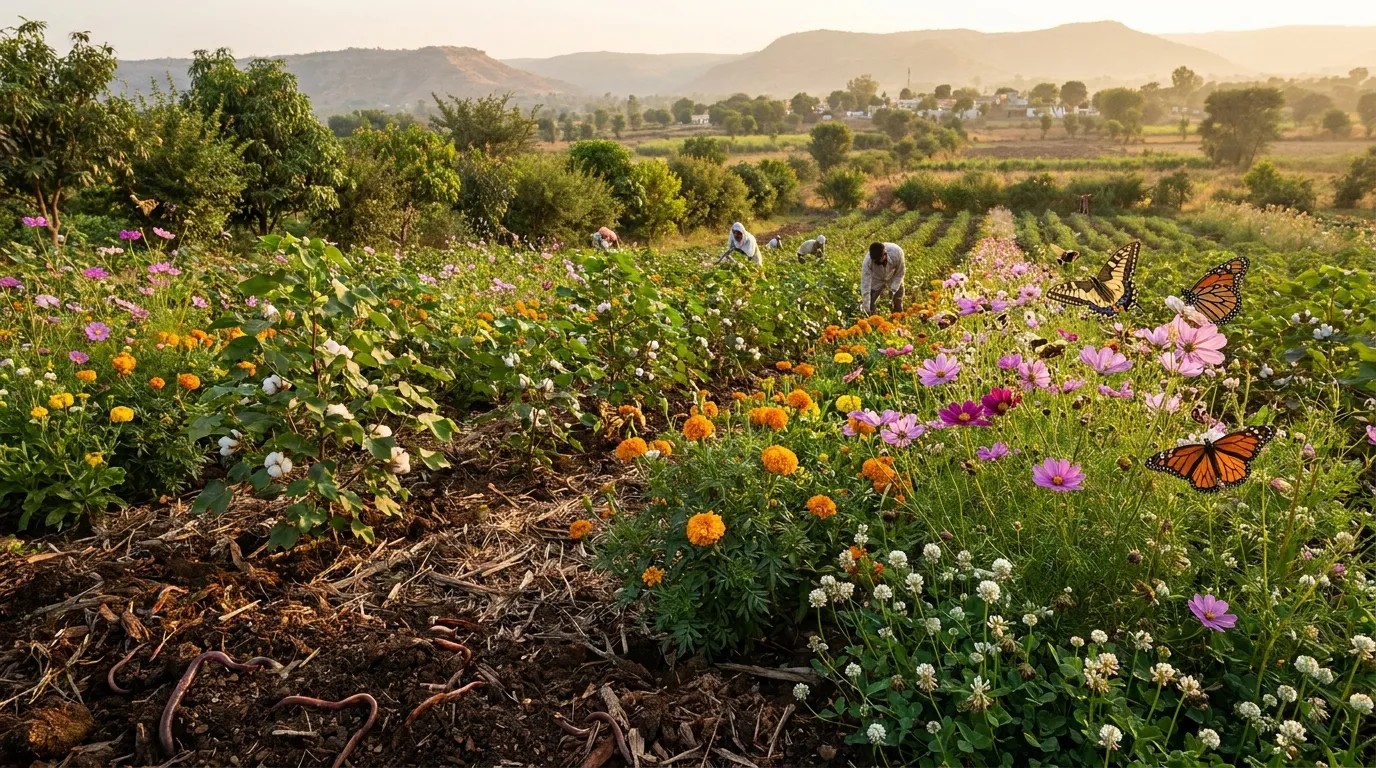
Biodiversity Restoration: Complete Buyer's Guide 2026
As global ecosystems face unprecedented pressure from industrial agriculture, businesses across the textile and agricultural sectors are recognizing that biodiversity restoration is no longer optional—it's essential for long-term viability. With 33% of global soils degraded according to UN FAO data, and biodiversity loss accelerating at alarming rates, companies seeking to achieve Net Zero goals and strengthen supply chain resilience must integrate comprehensive biodiversity restoration strategies into their regenerative agriculture programs.
This buyer's guide provides decision-makers with a practical framework for evaluating and selecting biodiversity restoration services within regenerative agriculture partnerships. Whether you're a textile manufacturer seeking sustainable cotton sources, an agricultural enterprise transitioning to regenerative practices, or a corporate sustainability team building climate solutions, understanding how to assess potential partners will determine the success of your environmental initiatives in 2026 and beyond.
Understanding Biodiversity Restoration in Regenerative Agriculture
Biodiversity restoration refers to the deliberate process of reintroducing and nurturing diverse plant, animal, and microbial species within agricultural landscapes to rebuild ecosystem function and resilience. Unlike conventional monoculture farming that depletes natural systems, biodiversity restoration creates thriving ecosystems where crops, native species, pollinators, and soil organisms work synergistically to improve productivity while regenerating the environment.
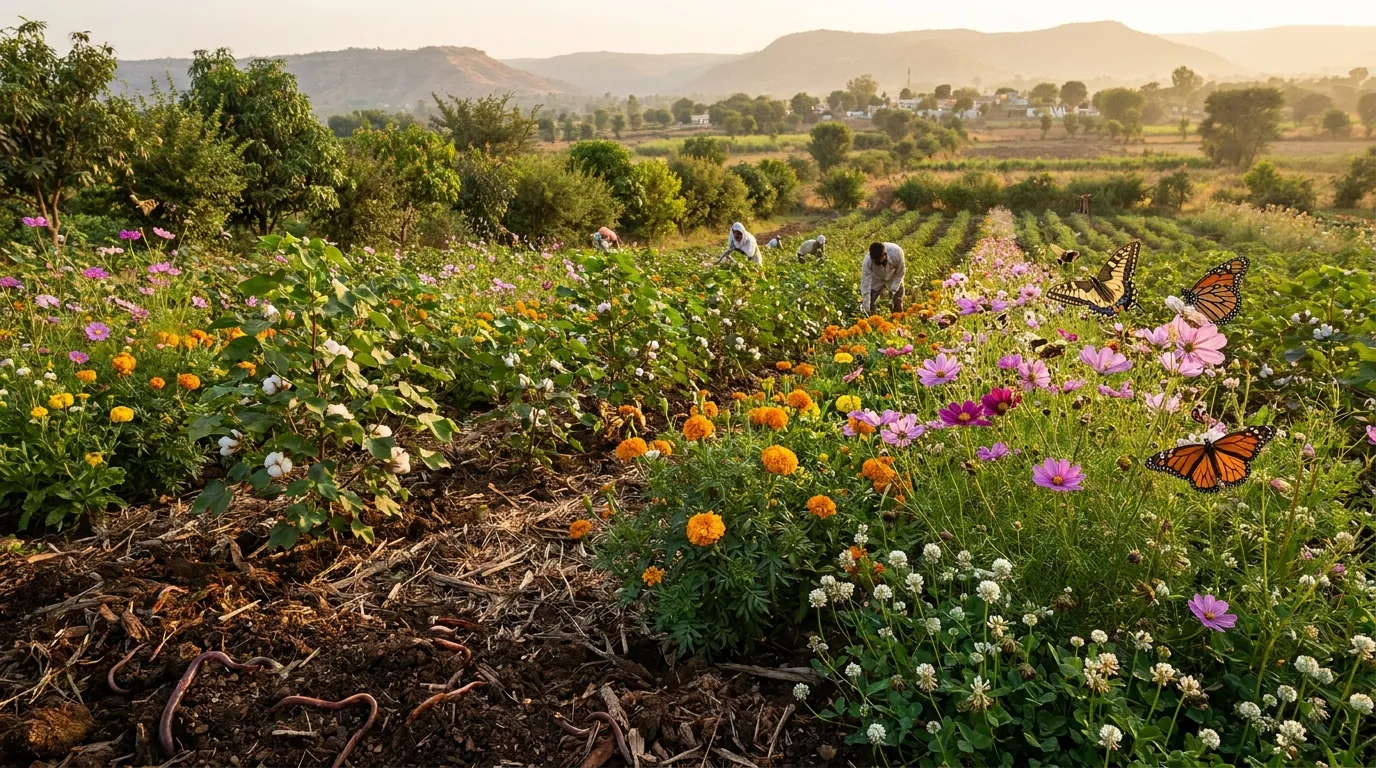
In 2026, the urgency for biodiversity restoration has reached a critical threshold. Agricultural expansion has eliminated natural habitats at unprecedented rates, with studies showing that farmland biodiversity has declined by over 50% in many regions over the past five decades. This loss directly impacts crop resilience, pest management, pollination services, and soil health—all factors that determine agricultural productivity and profitability.
The connection between soil health, carbon sequestration, and biodiversity forms the foundation of effective regenerative agriculture. Diverse plant communities support complex soil microbiomes that enhance nutrient cycling, water retention, and carbon storage. When businesses invest in biodiversity restoration, they simultaneously address multiple environmental challenges while building more resilient supply chains.
Several factors are driving increased business investment in biodiversity restoration services:
- Regulatory pressure: Governments worldwide are implementing stricter environmental regulations requiring biodiversity impact assessments and restoration commitments
- ESG requirements: Investors and stakeholders demand transparent reporting on biodiversity metrics as part of comprehensive ESG frameworks
- Supply chain risk: Ecosystem degradation threatens agricultural productivity, making biodiversity restoration a risk mitigation strategy
- Consumer demand: End consumers increasingly favor brands demonstrating genuine environmental stewardship beyond carbon metrics alone
- Climate policy alignment: Climate policies now recognize biodiversity as integral to climate solutions, creating new funding opportunities
The Business Case for Biodiversity Restoration Services
Beyond environmental benefits, biodiversity restoration delivers measurable economic returns that strengthen the business case for investment. Companies implementing comprehensive biodiversity programs report multiple financial advantages that justify initial costs and generate long-term value.
The return on investment for biodiversity restoration manifests across several dimensions. Enhanced pollinator populations increase crop yields—studies show that farms with restored pollinator habitats experience 20-30% higher productivity in pollinator-dependent crops. Diverse ecosystems provide natural pest control, reducing chemical input costs by up to 40% while improving product quality and reducing contamination risks.
Supply chain resilience represents another critical business benefit. Agricultural systems with high biodiversity demonstrate greater resistance to climate shocks, disease outbreaks, and pest invasions. For textile companies dependent on consistent cotton supplies, this resilience translates directly to reduced supply disruption risks and more predictable sourcing costs.
Carbon credit opportunities linked to biodiversity create additional revenue streams. Biodiversity-rich regenerative agriculture projects command premium prices in voluntary carbon markets because they deliver co-benefits beyond carbon sequestration alone. Companies can monetize their carbon sequestration efforts while simultaneously restoring ecosystems, creating dual value streams that improve project economics.
Brand reputation and stakeholder engagement benefits cannot be understated in 2026's transparency-driven marketplace. Businesses demonstrating authentic biodiversity restoration efforts differentiate themselves from competitors making superficial sustainability claims. This authenticity builds trust with consumers, investors, and regulatory bodies while creating compelling narratives for marketing and corporate communications.
For textile and agriculture industries specifically, biodiversity restoration addresses fundamental operational risks. Soil degradation threatens long-term productivity, water scarcity impacts irrigation-dependent crops, and ecosystem collapse undermines the natural capital these industries depend upon. Investing in biodiversity restoration services protects the foundational resources that enable business continuity.
Key Criteria for Evaluating Biodiversity Restoration Partners
Selecting the right biodiversity restoration partner requires careful evaluation across multiple dimensions. The quality of your consulting partner directly determines program success, making due diligence essential before committing resources to any biodiversity initiative.
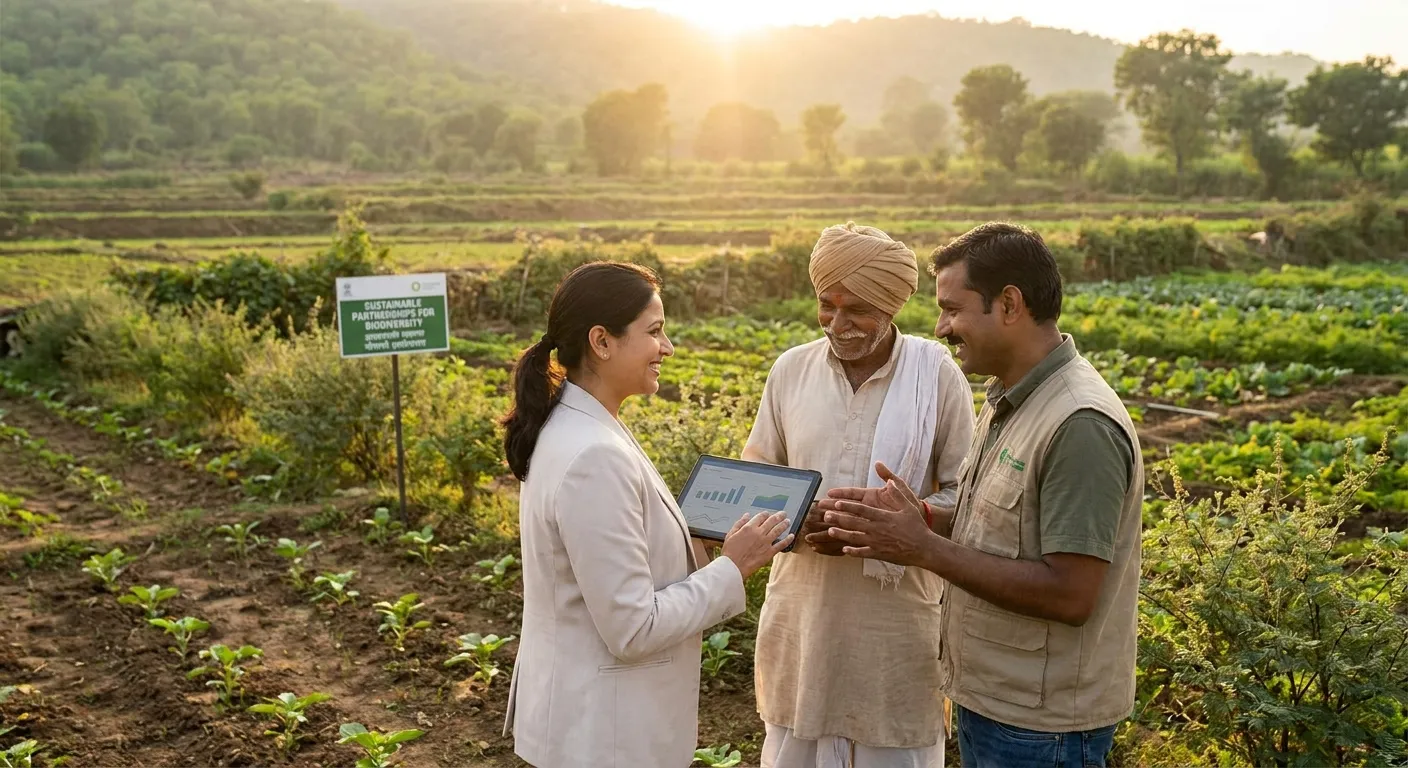
Technical expertise in native species integration forms the foundation of effective biodiversity restoration. Your partner should demonstrate deep knowledge of local ecosystems, native plant species appropriate for your region, and proven methodologies for integrating biodiversity elements into existing agricultural operations without disrupting productivity. Ask potential partners about their experience with species selection, habitat design, and ecological succession planning specific to your geographic context.
Biodiversity measurement and monitoring methodologies separate credible partners from those making unsubstantiated claims. Robust partners employ scientifically validated assessment tools that establish baseline conditions, track species diversity over time, measure ecosystem function indicators, and provide transparent reporting aligned with international standards. Look for partners using standardized biodiversity indices, remote sensing technologies, and field sampling protocols that generate defensible data for ESG reporting.
Track record with farmer training and capacity building reveals whether a partner can successfully implement programs at scale. Biodiversity restoration requires changing farming practices, which depends on effective knowledge transfer and ongoing support. Evaluate potential partners based on their training program structure, farmer adoption rates, support systems for addressing implementation challenges, and evidence of sustained practice changes beyond initial project phases.
Data integration capabilities across supply chains have become non-negotiable in 2026. Your biodiversity restoration partner must seamlessly integrate with your existing systems, providing supply chain data integration that connects farm-level biodiversity metrics to corporate sustainability reporting. This requires technical infrastructure for data collection, validation, aggregation, and reporting that meets your operational requirements.
Certification and compliance with international standards provide third-party validation of partner credibility. Look for partners with experience navigating certification schemes relevant to your industry, whether that's organic certification, regenerative agriculture standards, or biodiversity-specific frameworks. Partners should demonstrate familiarity with emerging regulatory requirements and help you maintain compliance as standards evolve.
Essential Biodiversity Restoration Methodologies to Look For
Understanding the specific methodologies your partner employs helps you assess their technical sophistication and alignment with your objectives. Effective biodiversity restoration programs integrate multiple complementary approaches that address different ecosystem components.

Native species selection and integration strategies should be tailored to your specific agricultural context. Quality partners conduct thorough ecological assessments to identify native plants, grasses, and flowering species that provide habitat and food sources for beneficial insects, pollinators, and wildlife while complementing rather than competing with cash crops. For cotton production, this might include native flowering borders that support pollinator populations and natural pest predators.
Ecosystem assessment and baseline measurement tools provide the foundation for tracking progress. Your partner should employ comprehensive assessment methodologies that measure species richness, abundance, and diversity across multiple taxonomic groups including plants, insects, birds, and soil organisms. These baseline assessments establish the starting point against which restoration success is measured over time.
Soil microbiome restoration techniques address the invisible but critical biodiversity beneath the surface. Healthy soils contain billions of microorganisms per gram that drive nutrient cycling, disease suppression, and carbon storage. Look for partners employing practices like cover cropping, reduced tillage, organic amendments, and microbial inoculants that rebuild soil biological communities degraded by conventional agriculture.

Pollinator habitat creation and management represents a high-impact biodiversity intervention with direct agricultural benefits. Effective programs establish flowering plant corridors, nesting sites, and overwintering habitat for native bees, butterflies, and other pollinators. These interventions typically deliver rapid returns through improved crop pollination while supporting broader ecosystem recovery.
Agroforestry and high-density plantation systems (HDPS) integrate trees and shrubs into agricultural landscapes, creating structural diversity that supports diverse wildlife communities. HDPS approaches, which Beetle Regen Solutions specializes in, improve yields and input use efficiency while reducing CO2 footprint per kilogram of cotton fiber. These systems create multi-layered habitats that support birds, beneficial insects, and other species while enhancing farm productivity.
Water management practices like alternate wetting and drying for rice cultivation demonstrate how biodiversity restoration integrates with resource efficiency. These techniques reduce water consumption while creating habitat conditions that support aquatic biodiversity, beneficial insects, and soil organisms. Partners should demonstrate how their methodologies address multiple sustainability objectives simultaneously.
1. Assess Technical Capabilities and Measurement Systems
When evaluating potential biodiversity restoration partners, begin by thoroughly assessing their technical capabilities and measurement infrastructure. The quality of their monitoring systems directly determines your ability to demonstrate impact to stakeholders and make data-driven management decisions.
Ask detailed questions about biodiversity monitoring tools and technologies. What specific metrics do they track? How frequently are measurements taken? What technologies do they employ—remote sensing, eDNA sampling, camera traps, field surveys, or citizen science approaches? Understanding their monitoring toolkit reveals the sophistication and reliability of the data you'll receive.
Understanding baseline assessment methodologies is crucial. Your partner should conduct comprehensive initial assessments that document existing biodiversity conditions before restoration activities begin. This baseline provides the reference point for measuring improvement and calculating return on investment. Request examples of baseline reports from previous projects to evaluate their thoroughness and clarity.
Data collection frequency and reporting standards must align with your corporate reporting cycles and stakeholder expectations. Quarterly or annual reporting may be sufficient for some metrics, while others require continuous monitoring. Clarify reporting formats, data ownership, and how information flows from field measurements to your sustainability dashboards.
Integration with existing ESG reporting frameworks saves time and reduces complexity. Your biodiversity partner should provide data in formats compatible with GRI, SASB, TCFD, or other frameworks your organization uses. This integration ensures biodiversity metrics seamlessly incorporate into your broader sustainability reporting without requiring manual data transformation.
Third-party verification and audit processes provide credibility and reduce greenwashing risk. Ask whether their methodologies have been validated by independent experts, whether they support third-party audits of biodiversity claims, and what quality assurance processes ensure data accuracy and reliability.
2. Evaluate Farmer Training and Stakeholder Engagement Programs
Successful biodiversity restoration depends on changing practices at the farm level, making farmer training and stakeholder engagement capabilities essential evaluation criteria. The most technically sophisticated biodiversity strategies fail without effective knowledge transfer and ongoing support systems.
Collaborative knowledge-building approaches prove more effective than top-down training models. Look for partners who emphasize co-learning, respect traditional ecological knowledge, and adapt methodologies based on farmer feedback. This collaborative approach, which Beetle Regen Solutions employs through their Climate Action Textile Forum, builds ownership and increases adoption rates.
Training program structure and duration should be comprehensive rather than superficial. One-day workshops rarely create lasting behavior change. Effective programs include initial intensive training, regular follow-up sessions, seasonal guidance aligned with agricultural cycles, and peer learning opportunities where farmers share experiences and solutions.
Farmer support systems and ongoing consultation distinguish partners committed to long-term success from those focused on short-term project completion. Ask about support mechanisms available after initial training, helplines, field visits, digital platforms for questions, or farmer networks. These support systems help farmers troubleshoot challenges and maintain practices over time.
Community engagement and local knowledge integration ensure biodiversity restoration efforts align with local contexts and cultural practices. Partners should demonstrate respect for indigenous knowledge, involve local communities in planning and implementation, and create economic benefits that incentivize participation and stewardship.
Success metrics for farmer adoption rates provide objective evidence of program effectiveness. Request data on what percentage of trained farmers actually implement recommended practices, how long they maintain those practices, and what factors predict successful adoption. These metrics reveal whether training translates to real-world behavior change.
3. Review Supply Chain Integration and Scalability
For businesses seeking biodiversity restoration across their supply chains, partner capabilities in supply chain integration and scalability determine whether pilot projects can expand to meet corporate sustainability commitments. Evaluate these dimensions carefully to avoid partners who excel at small demonstrations but cannot scale effectively.
End-to-end supply chain visibility requires technical infrastructure that tracks biodiversity metrics from individual farms through processing, manufacturing, and final products. Your partner should provide systems that maintain traceability, aggregate data across multiple sites, and connect farm-level biodiversity improvements to finished goods. This visibility enables credible marketing claims and supply chain risk management.
Scalability from pilot to full implementation separates boutique consultancies from partners capable of supporting enterprise-level transformation. Ask about their experience managing programs across hundreds or thousands of farms, their capacity to expand rapidly if pilots succeed, and infrastructure for maintaining quality and consistency at scale.
Integration with existing agricultural operations must be seamless to avoid disrupting productivity during transition periods. Effective partners design biodiversity interventions that complement rather than compete with commercial production, phasing implementation to minimize risk and demonstrating economic benefits that motivate continued participation.
Traceability systems for regenerative products enable premium pricing and brand differentiation. If you plan to market products as biodiversity-positive or regeneratively produced, your partner must provide robust traceability that withstands scrutiny from consumers, regulators, and certification bodies. This includes chain-of-custody documentation, verification systems, and anti-fraud measures.
Multi-stakeholder coordination capabilities become essential when biodiversity restoration involves farmers, processors, brands, retailers, and consumers across complex supply chains. Partners should demonstrate experience facilitating supply chain transformation that aligns diverse stakeholder interests and creates shared value throughout the value chain.
4. Examine Carbon and Climate Impact Alignment
In 2026, biodiversity restoration and climate action are increasingly recognized as interconnected rather than separate initiatives. Evaluate potential partners based on their ability to integrate biodiversity restoration with your carbon reduction and Net Zero strategies, creating synergies that maximize environmental and economic returns.
Carbon sequestration measurement linked to biodiversity provides dual benefits that strengthen project economics. Biodiverse regenerative agriculture systems typically sequester more carbon than monocultures because diverse plant communities, enhanced soil biology, and integrated tree systems all contribute to carbon storage. Partners should quantify these carbon sequestration benefits using credible methodologies that support carbon credit generation or insetting programs.
Carbon insetting versus carbon credit programs represent different approaches to monetizing climate benefits. Carbon insetting involves reducing emissions within your own supply chain, while carbon credits involve selling verified emission reductions to third parties. Your biodiversity restoration partner should help you evaluate which approach aligns with your business model and sustainability strategy, or how to pursue both simultaneously.
Net Zero goal alignment and pathway development require partners who understand corporate climate commitments and can design biodiversity programs that contribute to those targets. Whether you're pursuing science-based targets, industry-specific commitments, or regulatory compliance, your partner should demonstrate how biodiversity restoration accelerates progress toward your Net Zero objectives.
Industrial decarbonization through biochar and pyrolysis represents an advanced integration of biodiversity, carbon, and waste management. Partners like Beetle Regen Solutions employ methods using agricultural residues such as cotton stalks, sugarcane bagasse, and rice husks for biochar production and industrial pyrolysis. These approaches convert agricultural waste into stable carbon while creating soil amendments that support biodiversity and improve soil health.
Climate policy compliance and reporting capabilities ensure your biodiversity investments align with evolving regulatory requirements. Partners should stay current with climate policy developments, help you navigate compliance requirements, and provide documentation that satisfies regulatory reporting obligations while supporting voluntary disclosure frameworks.
Industry-Specific Considerations for Biodiversity Restoration
Different industries face unique challenges and opportunities in biodiversity restoration, requiring tailored approaches that address sector-specific priorities. Understanding these industry considerations helps you evaluate whether potential partners have relevant experience and appropriate methodologies for your context.
Textile and fashion industry requirements center on sustainable fiber production, supply chain transparency, and brand reputation management. Textile companies need biodiversity partners who understand cotton production systems, contamination risks, traceability requirements, and consumer expectations for environmental stewardship. Partners should demonstrate experience working with textile supply chains and knowledge of industry-specific standards and certifications.
Cotton production and contamination-free practices require specialized expertise. Biodiversity restoration in cotton systems must address pest management, pollination, soil health, and fiber quality while eliminating contamination that reduces product value. Partners should offer programs in extra-long staple cotton, contamination-free production, and trash-free cotton that meet textile industry quality standards while enhancing biodiversity.
Agricultural business considerations focus on productivity, profitability, and risk management. Agricultural enterprises need biodiversity partners who demonstrate that restoration enhances rather than compromises yields, creates new revenue opportunities through carbon credits or premium products, and reduces input costs through natural pest control and improved soil fertility. Evidence of crop yield improvements through biodiversity restoration addresses farmer concerns about productivity trade-offs.
Corporate sustainability team priorities emphasize measurable impact, stakeholder reporting, and alignment with corporate commitments. Sustainability professionals need partners who provide robust data, support ESG disclosure requirements, integrate with existing sustainability programs, and help achieve targets for carbon reduction, water conservation, and ecosystem restoration. Partners should speak the language of corporate sustainability and understand reporting frameworks, materiality assessments, and stakeholder expectations.
Policy maker and climate advocacy perspectives focus on scalability, replicability, and contribution to national or regional environmental goals. Government bodies and think tanks evaluating biodiversity restoration programs assess whether approaches can be adopted widely, whether they support policy objectives for agriculture and textile sector development, and whether they create models for climate action that balance environmental and economic priorities. Partners working with these stakeholders should demonstrate policy engagement and contribution to broader systemic change.
Red Flags and Common Pitfalls When Selecting Partners
Identifying warning signs early in the partner selection process saves time, resources, and reputational risk. Several red flags indicate potential problems with biodiversity restoration service providers that should prompt additional scrutiny or reconsideration.
Greenwashing warning signs include vague claims without supporting data, marketing-heavy presentations with little technical substance, reluctance to provide references or case studies, and promises that sound too good to be true. Credible partners provide specific, verifiable information about their methodologies, results, and limitations rather than making sweeping environmental claims.
Lack of transparent measurement systems represents a critical red flag. If a potential partner cannot clearly explain how they measure biodiversity, what baseline data they collect, how they track changes over time, or how they verify results, they likely lack the technical rigor necessary for credible biodiversity restoration. Insist on detailed explanations of measurement methodologies before proceeding.
Unrealistic timelines or promises indicate either inexperience or dishonesty. Biodiversity restoration is a long-term process, ecosystems don't recover overnight. Partners promising dramatic results in unrealistically short timeframes likely don't understand ecological succession or are making claims they cannot deliver. Credible partners set realistic expectations about the time required for measurable biodiversity improvements.
Insufficient farmer support infrastructure becomes apparent when partners focus exclusively on technical design without adequate attention to implementation support. Biodiversity restoration fails when farmers lack ongoing guidance, troubleshooting assistance, and peer networks. Partners without robust farmer support systems may design excellent programs that never achieve adoption at scale.
Poor data integration capabilities create operational headaches and limit the value of biodiversity investments. If a partner's data systems don't integrate with your existing platforms, require manual data entry, or produce reports in formats incompatible with your needs, you'll struggle to incorporate biodiversity metrics into decision-making and stakeholder reporting.
Missing third-party verification raises questions about credibility and accountability. Partners who resist independent audits, lack certifications or accreditations, or cannot provide references from previous clients may be hiding poor performance or lack confidence in their methodologies. Insist on verification mechanisms that provide assurance to stakeholders.
Implementation Timeline and Budget Considerations
Understanding typical timelines and budget requirements for biodiversity restoration programs helps you plan appropriately and evaluate whether partner proposals are realistic. While specific costs vary based on scale, geography, and program design, certain patterns characterize successful implementations.
Typical project phases include assessment and planning (3-6 months), initial implementation (6-12 months), establishment and monitoring (1-3 years), and ongoing management and optimization (3+ years). The assessment phase involves baseline biodiversity surveys, stakeholder engagement, and program design. Implementation includes farmer training, habitat establishment, and initial practice changes. The establishment phase focuses on supporting farmers as new practices take root and monitoring early results. Ongoing management ensures practices continue and adapt based on monitoring data.
Budget allocation across assessment, implementation, and monitoring typically follows a 20-30-50 pattern, with 20% for initial assessment and planning, 30% for implementation activities, and 50% for ongoing monitoring, support, and program management over multiple years. This distribution reflects the long-term nature of biodiversity restoration and the importance of sustained engagement for success.
Hidden costs to anticipate include farmer incentive payments during transition periods when yields may temporarily decline, technology infrastructure for data collection and management, third-party verification and certification fees, and staff time for internal coordination and stakeholder communication. Budget for these costs upfront to avoid surprises that derail programs.
ROI timeline expectations should be realistic. Some benefits like improved pollination and natural pest control may appear within 1-2 growing seasons. Soil health improvements typically require 3-5 years to become substantial. Carbon sequestration and biodiversity recovery continue improving for decades. Financial returns through carbon credits, premium pricing, or cost savings often begin within 2-3 years but grow over time as ecosystem function improves.
Funding opportunities and carbon credit revenue can offset program costs. Investigate climate finance mechanisms, government incentive programs, and carbon credit opportunities that support biodiversity restoration. Many programs become cash-flow positive within 3-5 years when carbon revenue and operational savings are factored in, though this depends on carbon prices and program design.
Measuring Success: KPIs for Biodiversity Restoration Programs
Establishing clear key performance indicators (KPIs) for biodiversity restoration enables objective evaluation of program success and provides data for stakeholder reporting. Effective KPI frameworks measure multiple dimensions of biodiversity, agricultural productivity, and economic outcomes.
Species diversity indices and monitoring provide direct measures of biodiversity restoration success. Track species richness (number of different species), species abundance (population sizes), and diversity indices like Shannon or Simpson indices that account for both richness and evenness. Monitor multiple taxonomic groups including plants, insects, birds, and soil organisms to capture ecosystem-wide changes. Aim for year-over-year increases in diversity metrics, with significant improvements typically visible within 3-5 years.
Soil health indicators linked to biodiversity include soil organic matter content, microbial biomass, enzyme activity, and aggregate stability. These metrics reflect the biological vitality of soils and correlate with both biodiversity and agricultural productivity. Improvements in soil health typically precede visible above-ground biodiversity changes, making them valuable early indicators of program success.
Crop yield improvements demonstrate that biodiversity restoration enhances rather than compromises agricultural productivity. Track yields over time, comparing biodiversity restoration sites to conventional control sites where possible. Many programs show yield increases of 10-30% within 3-5 years as soil health improves, pollination increases, and pest pressure decreases. Yield stability across variable weather conditions also improves, reducing risk.
Carbon sequestration rates quantify climate benefits and support carbon credit generation. Measure soil carbon stocks annually using standardized sampling protocols. Typical regenerative agriculture systems with biodiversity restoration sequester 0.5-2 tons of CO2 equivalent per hectare per year, though rates vary based on climate, soil type, and management practices. This data supports both carbon credit sales and corporate carbon accounting.
Farmer income and economic benefits ensure programs create value for participants and remain sustainable long-term. Track farmer net income, input costs, premium prices received for regenerative products, and carbon credit revenue. Successful programs typically increase farmer income by 15-40% within 3-5 years through combined effects of reduced costs, higher yields, premium pricing, and carbon revenue.
Supply chain sustainability metrics connect farm-level biodiversity improvements to corporate sustainability goals. Track percentage of supply sourced from biodiversity-positive farms, total hectares under biodiversity restoration management, aggregate carbon sequestration across your supply chain, and progress toward corporate biodiversity commitments. These metrics demonstrate supply chain transformation and support stakeholder communication.
Questions to Ask Potential Biodiversity Restoration Partners
Armed with understanding of evaluation criteria, methodologies, and success metrics, you can now engage potential biodiversity restoration partners with targeted questions that reveal their capabilities and fit with your needs. Use these questions to guide due diligence conversations.
Technical methodology questions:
- What specific biodiversity assessment methodologies do you employ, and how do they align with international standards?
- How do you establish baseline biodiversity conditions, and what taxonomic groups do you monitor?
- What native species integration strategies do you recommend for our specific crops and geography?
- How do you measure and verify biodiversity improvements over time?
- What technologies do you use for biodiversity monitoring and data collection?
Experience and case study inquiries:
- Can you provide case studies from similar industries, geographies, and scales to our operation?
- What results have you achieved in previous biodiversity restoration programs, and how long did improvements take?
- What challenges have you encountered in past projects, and how did you address them?
- Can you provide references from previous clients we can contact?
- What is your experience working with our specific crop systems or supply chain structure?
Measurement and reporting questions:
- How frequently do you collect biodiversity data, and what is included in regular reports?
- How do your data systems integrate with our existing sustainability reporting platforms?
- What third-party verification or certification processes support your biodiversity claims?
- How do you ensure data quality and accuracy across multiple sites?
- What KPIs do you recommend for tracking biodiversity restoration success?
Farmer training and support questions:
- What does your farmer training program include, and how long does it last?
- What ongoing support systems do you provide after initial training?
- What percentage of trained farmers successfully adopt and maintain recommended practices?
- How do you address farmer concerns about productivity or income during transition periods?
- What mechanisms do you use for farmer feedback and program adaptation?
Commercial and contractual considerations:
- What is your pricing structure, and what is included in base fees versus additional costs?
- What timeline do you propose from initial assessment to measurable biodiversity improvements?
- How do you handle intellectual property and data ownership?
- What performance guarantees or success metrics are included in contracts?
- How do you support carbon credit generation or other revenue opportunities from biodiversity restoration?
The Future of Biodiversity Restoration in Regenerative Agriculture
As we progress through 2026, biodiversity restoration is rapidly evolving from a niche environmental initiative to a mainstream business imperative. Understanding emerging trends helps you select partners positioned to support your long-term sustainability journey as technologies, policies, and market expectations continue advancing.
Emerging technologies in biodiversity monitoring are making measurement more accurate, affordable, and scalable. Environmental DNA (eDNA) sampling allows rapid assessment of species presence from soil or water samples. Artificial intelligence analyzes camera trap images and acoustic recordings to identify species automatically. Satellite remote sensing detects vegetation diversity and habitat structure across large landscapes. Partners investing in these technologies will provide increasingly sophisticated biodiversity data at lower costs.
Policy trends and regulatory developments in 2026 are making biodiversity reporting mandatory for many businesses. The EU's Corporate Sustainability Reporting Directive now requires biodiversity impact disclosure. Similar regulations are emerging in other jurisdictions. Carbon markets are increasingly requiring biodiversity co-benefits for agricultural carbon credits. Partners who stay ahead of regulatory trends help you maintain compliance and avoid costly retrofits to meet new requirements.
Integration with circular economy models creates synergies between biodiversity restoration and waste reduction. Agricultural residues from biodiverse farming systems become inputs for biochar production, animal feed, or bio-based materials. This circularity creates additional revenue streams while closing nutrient loops and reducing waste. Partners who understand circular economy principles design biodiversity programs that maximize resource efficiency.
Growing demand from textile and fashion industries is driving innovation in biodiversity-positive fiber production. Major brands are committing to source materials from regenerative systems that restore biodiversity. This demand creates market pull for biodiversity restoration services and premium pricing opportunities for farmers. Partners with textile industry expertise help you capitalize on this market shift and differentiate your products.
Take the First Step Toward Biodiversity Restoration Today
The urgency of biodiversity loss demands immediate action, yet the complexity of biodiversity restoration can feel overwhelming. By applying the evaluation framework outlined in this guide, you can confidently select partners who will help you achieve meaningful environmental impact while strengthening your business resilience and meeting stakeholder expectations.
Successful biodiversity restoration requires partners who combine technical expertise, farmer-centric capacity building, robust measurement systems, and supply chain integration capabilities. Look for organizations that demonstrate genuine commitment to collaborative knowledge building, transparent reporting, and long-term ecosystem recovery rather than quick fixes or superficial greenwashing.
The businesses that thrive in the coming decades will be those that recognize biodiversity as foundational to agricultural productivity, supply chain resilience, and climate solutions. Whether you're a textile manufacturer seeking sustainable farming partners, an agricultural enterprise transitioning to regenerative practices, or a corporate sustainability team building comprehensive climate strategies, investing in biodiversity restoration positions you for long-term success.
Beetle Regen Solutions brings specialized expertise in biodiversity restoration within regenerative agriculture, with proven methodologies for textile and agricultural supply chains. Our collaborative approach combines farmer training, native species integration, soil health improvement, and carbon sequestration measurement to deliver measurable biodiversity improvements alongside economic benefits. From high-density plantation systems to biochar production and contamination-free cotton, we provide comprehensive solutions tailored to your industry and sustainability goals.
Ready to begin your biodiversity restoration journey? Contact us to discuss how our regenerative agriculture consulting services can help you evaluate your current biodiversity baseline, design a restoration program aligned with your business objectives, and implement solutions that regenerate ecosystems while strengthening your supply chain. The time to act on biodiversity restoration is now, let's build resilient, biodiverse agricultural systems together.