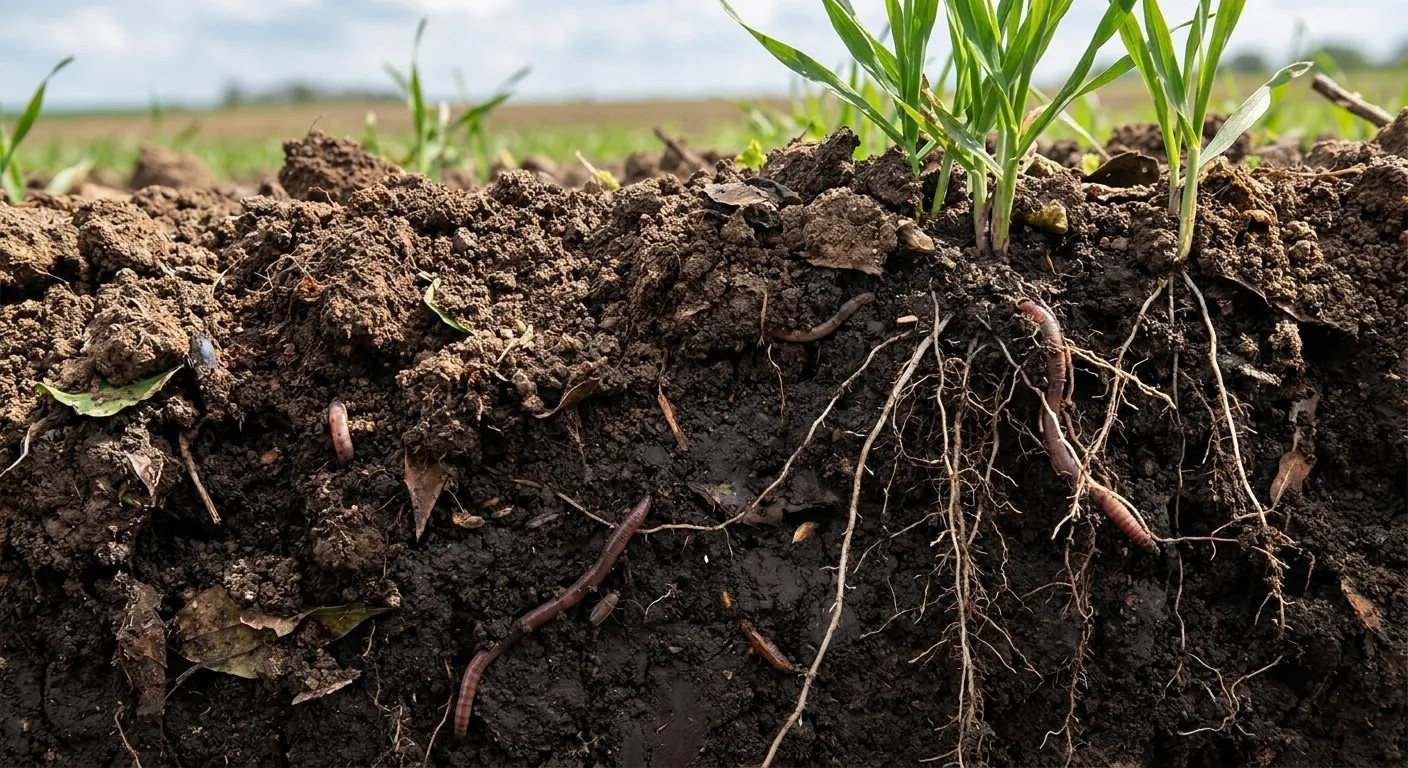
How Regenerative Agriculture Restores Soil Fertility
Soil fertility is the foundation of agricultural productivity, yet one-third of the world's soils are now degraded according to the UN Food and Agriculture Organization. This alarming reality threatens food security, economic stability, and climate resilience. Regenerative agriculture offers a proven pathway to reverse this damage and restore soil fertility through nature-based practices that rebuild organic matter, sequester carbon, and revitalize soil ecosystems. For businesses in the textile and agriculture industries seeking sustainable solutions, understanding how regenerative agriculture restores soil fertility is essential for achieving long-term productivity and environmental goals.
Understanding Soil Fertility and Its Critical Role in Agriculture
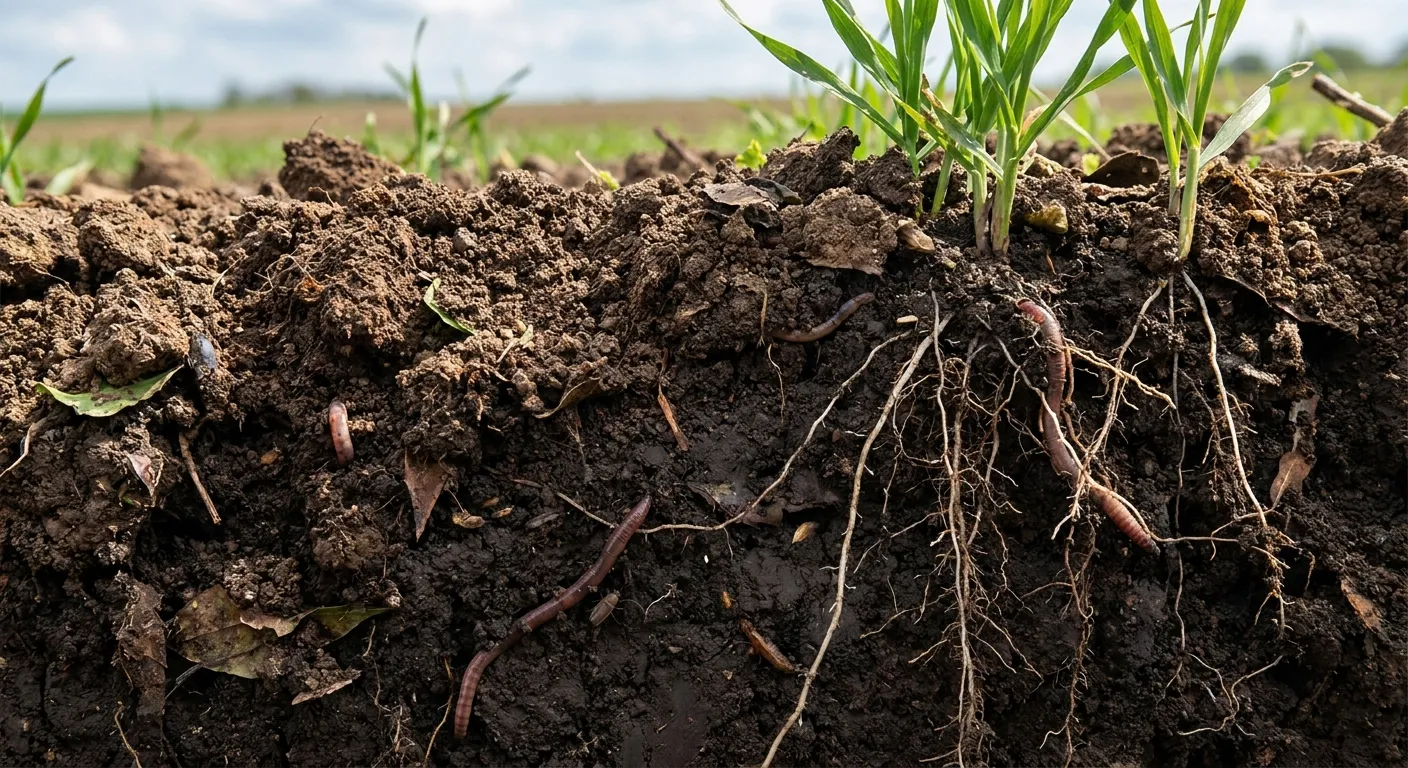
Soil fertility encompasses the soil's capacity to provide essential nutrients, support microbial life, maintain proper structure, and retain water for plant growth. Healthy, fertile soil contains a balanced mix of minerals, organic matter, beneficial microorganisms, and adequate air and water spaces. These components work together to create an environment where crops can thrive and produce optimal yields.
The current state of global soil degradation presents a critical challenge. According to the UN FAO, 33% of the world's soils are degraded due to erosion, nutrient depletion, contamination, and loss of organic matter. In India, where agriculture supports over 50% of the population, soil degradation directly impacts economic stability and food security. The textile industry, particularly cotton production, faces significant challenges as conventional farming practices deplete soil fertility year after year.
Declining soil fertility creates cascading economic and environmental consequences. Farmers experience reduced crop yields, requiring increased inputs of synthetic fertilizers and pesticides to maintain production levels. This creates a vicious cycle where soil health continues to deteriorate while input costs rise. The environmental impact extends beyond the farm, contributing to water pollution, biodiversity loss, and increased greenhouse gas emissions. Degraded soils also lose their capacity to sequester carbon, exacerbating climate change rather than mitigating it.
Conventional agriculture practices have accelerated soil fertility decline through intensive tillage, monoculture cropping, excessive chemical inputs, and removal of crop residues. These practices disrupt soil structure, kill beneficial microorganisms, deplete organic matter, and leave soil vulnerable to erosion. The fast-paced nature of modern agriculture, particularly in resource-intensive industries like textiles, has prioritized short-term yields over long-term soil health, creating an urgent need for transformative solutions.
What Is Regenerative Agriculture and How Does It Restore Soil Fertility
Regenerative agriculture represents a holistic approach to farming that goes beyond sustainability to actively improve and restore agricultural ecosystems. Unlike conventional farming that extracts resources from the soil, regenerative agriculture works with natural processes to rebuild soil fertility, enhance biodiversity, and create resilient farming systems. The core principles include minimizing soil disturbance, keeping soil covered, maintaining living roots year-round, increasing plant diversity, and integrating livestock where appropriate.
The restoration of soil fertility through regenerative agriculture occurs through multiple interconnected mechanisms. First, these practices dramatically increase soil organic matter by returning plant residues to the soil, using cover crops, and reducing tillage. Organic matter acts as a sponge for nutrients and water while providing food for soil microorganisms. Second, regenerative practices foster diverse microbial communities that cycle nutrients, suppress diseases, and create soil structure. Third, these methods enhance carbon sequestration, pulling atmospheric carbon dioxide into the soil where it improves fertility and combats climate change.
Scientific evidence increasingly supports the effectiveness of regenerative methods for restoring soil fertility. Research shows that regenerative practices can increase soil organic carbon by 0.5-1% annually, significantly improving soil health indicators. Studies document improvements in water infiltration rates, nutrient availability, and crop resilience to drought and pests. The difference between regenerative and conventional approaches is fundamental: conventional farming treats soil as an inert growing medium requiring external inputs, while regenerative agriculture recognizes soil as a living ecosystem that can be cultivated and enhanced.
For businesses seeking to achieve carbon neutral and Net Zero goals, regenerative agriculture offers a practical pathway. By restoring soil fertility, companies can reduce their environmental footprint while improving agricultural productivity across their supply chains. This approach aligns with ESG frameworks and demonstrates measurable environmental impact.
Key Regenerative Practices That Enhance Soil Fertility
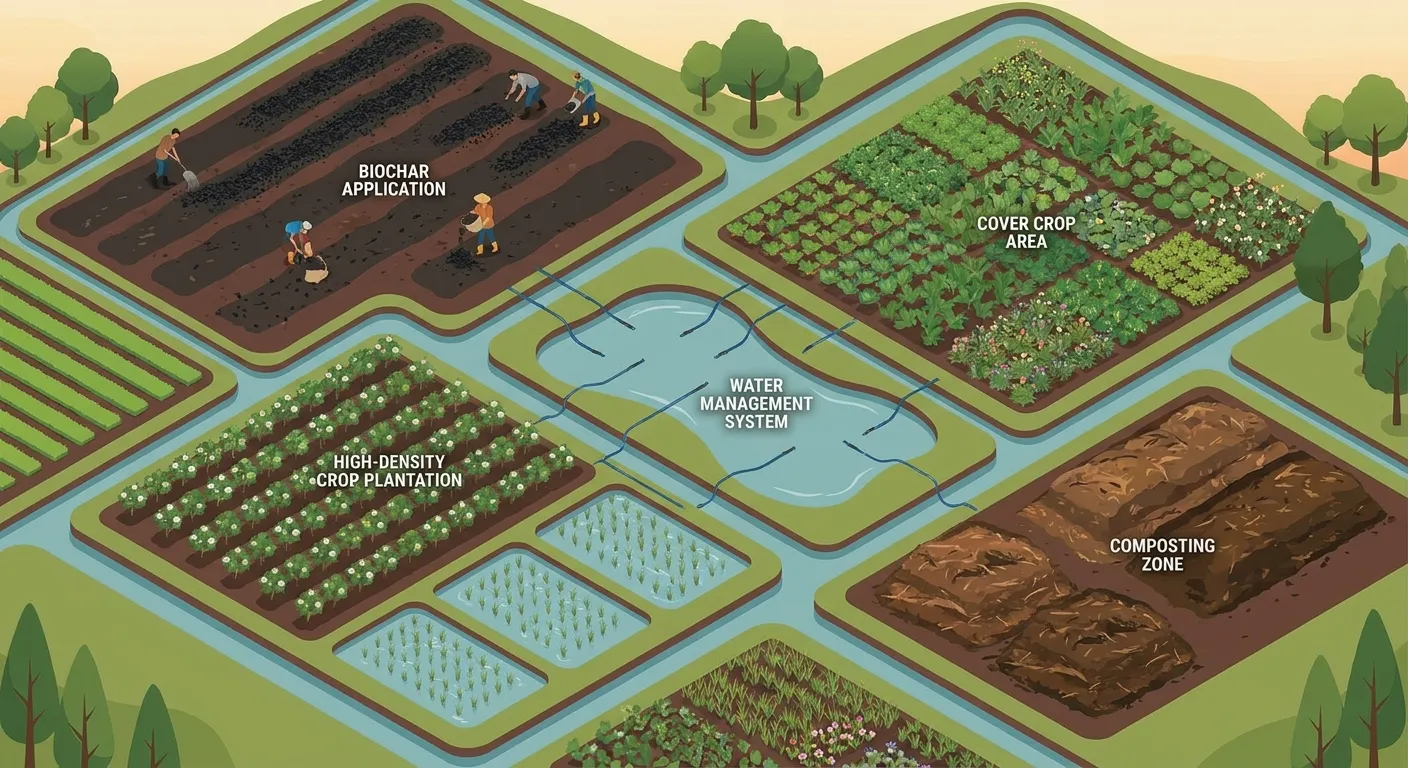
Restoring soil fertility requires implementing a suite of nature-based methodologies tailored to specific agricultural contexts. These practices work synergistically to rebuild soil health, increase organic matter, and create resilient farming systems. The following sections explore specific regenerative techniques that have proven effective in enhancing soil fertility, particularly in the context of Indian agriculture and textile industry supply chains.
Biochar Application for Long-Term Soil Fertility
Biochar represents one of the most promising technologies for long-term soil fertility restoration. This carbon-rich material is produced through pyrolysis, a process that heats agricultural residues such as cotton stalks, rice husks, and sugarcane bagasse in low-oxygen conditions. The resulting biochar is a stable form of carbon that can persist in soil for hundreds to thousands of years, providing lasting benefits to soil fertility.
Biochar improves soil fertility through multiple mechanisms. Its porous structure dramatically increases soil water retention capacity, helping crops withstand drought conditions while reducing irrigation requirements. The surface area of biochar provides habitat for beneficial microorganisms, fostering diverse microbial communities essential for nutrient cycling. Biochar also acts as a nutrient retention system, holding onto essential minerals that would otherwise leach from the soil, making them available to plants over extended periods.
The carbon sequestration potential of biochar is substantial. Each ton of biochar applied to soil can sequester approximately 3 tons of CO2 equivalent, making it a powerful tool for climate mitigation while simultaneously improving soil fertility. For agricultural businesses, biochar application offers dual benefits: enhanced crop productivity and access to carbon credit markets.
Application methods vary depending on crop type and soil conditions. Biochar can be incorporated into soil during land preparation, mixed with compost before application, or applied in bands near crop rows. Best practices recommend starting with application rates of 5-10 tons per hectare, with effects becoming more pronounced over multiple growing seasons. Real-world implementations have shown yield increases of 10-30% in degraded soils, along with measurable improvements in soil organic carbon content.
High-Density Plantation Systems (HDPS) for Improved Soil Health
High-density plantation systems represent an innovative approach to improving soil fertility while increasing crop yields. HDPS methodology involves planting crops at higher densities than conventional practices, combined with precision management of inputs and careful attention to soil health. This approach has shown particular promise in cotton production, where it addresses both productivity and sustainability challenges.
HDPS improves input use efficiency by optimizing the relationship between plant population, nutrient availability, and water resources. The higher plant density creates a more complete canopy cover, which protects soil from erosion, reduces water evaporation, and suppresses weed growth. This natural weed suppression reduces the need for herbicides, while the improved canopy cover adds more organic matter to the soil through increased root biomass and plant residues.
The impact on soil fertility occurs through enhanced biological activity and improved nutrient cycling. The increased root density in HDPS creates more channels for water infiltration and air exchange, improving soil structure. As roots decompose, they add organic matter throughout the soil profile, feeding microbial communities and building soil carbon. Studies of HDPS implementation have documented significant increases in crop yield while reducing the CO2 footprint per kilogram of fiber produced, making this approach particularly valuable for textile industry supply chains seeking to improve sustainability metrics.
Implementation considerations for farmers include proper spacing calculations, variety selection suited to higher densities, and adjusted irrigation and fertilization schedules. Training programs that build farmer capacity in HDPS methodologies are essential for successful adoption. When implemented correctly, HDPS can increase cotton yields by 20-40% while improving soil health indicators over time.
Carbon Sequestration Techniques That Rebuild Soil Fertility
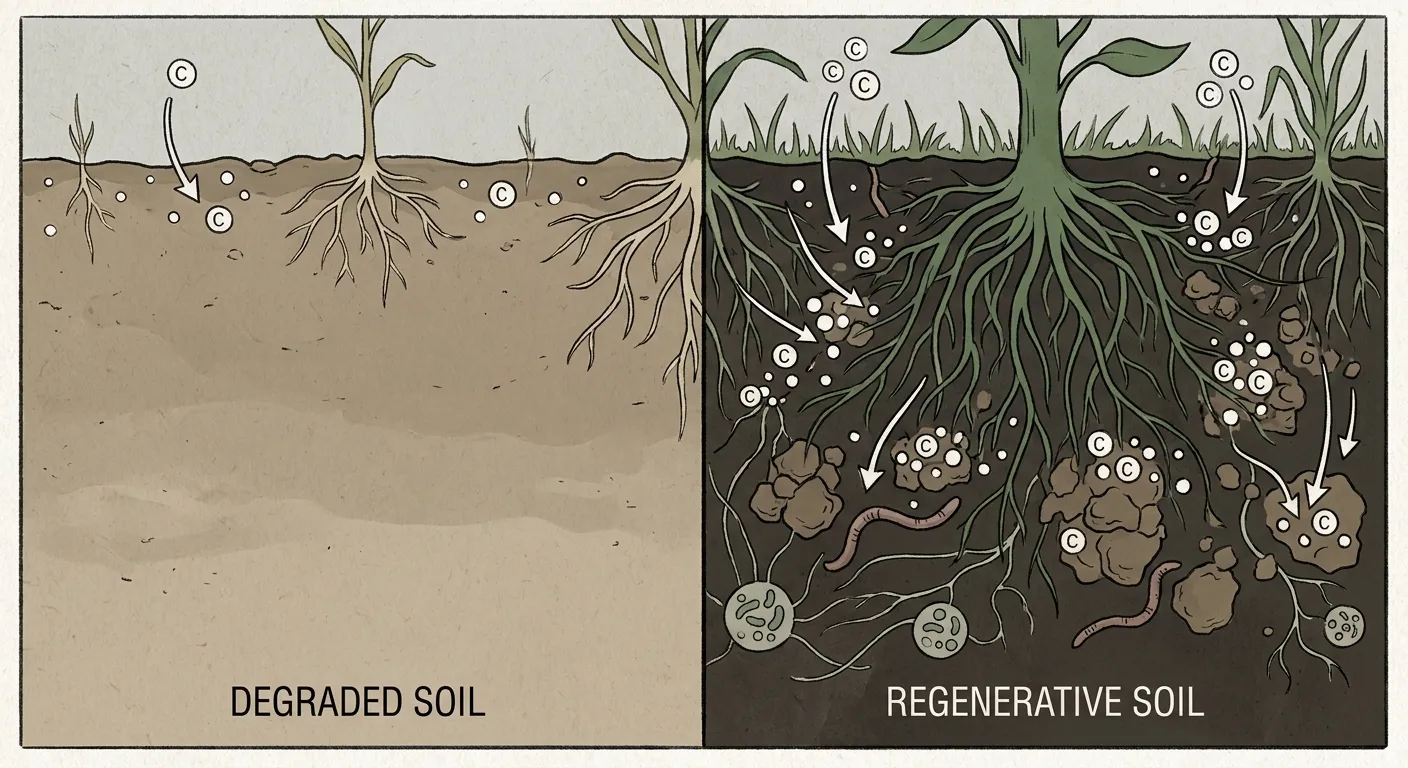
Carbon sequestration in agricultural soils represents a cornerstone strategy for restoring soil fertility while addressing climate change. The process involves capturing atmospheric carbon dioxide through photosynthesis and storing it in soil organic matter and soil microbial biomass. As carbon accumulates in soil, it directly improves soil fertility by enhancing nutrient retention, water holding capacity, and soil structure.
Cover cropping stands as one of the most effective carbon sequestration techniques. By planting cover crops during fallow periods, farmers keep living roots in the soil year-round, continuously feeding soil microorganisms and adding organic matter. Cover crops prevent erosion, suppress weeds, and can fix atmospheric nitrogen when legumes are included in the mix. Upon termination, cover crops provide a nutrient-rich mulch that feeds the subsequent cash crop while building soil organic carbon. Research shows that consistent cover cropping can increase soil organic matter by 0.5-1.5% over five years, representing substantial improvements in soil fertility.
Crop rotation strategies enhance carbon sequestration by diversifying the types of organic matter returned to soil. Different crops have varying root structures, depths, and residue compositions, which support diverse microbial communities and build soil carbon in different soil layers. Rotating deep-rooted crops with shallow-rooted ones, and nitrogen-fixing legumes with nutrient-demanding crops, creates a balanced approach to soil fertility restoration.
Reduced tillage and no-till farming practices protect existing soil carbon while allowing new carbon to accumulate. Conventional tillage disrupts soil structure, exposes organic matter to oxygen, and accelerates decomposition, releasing stored carbon as CO2. By minimizing soil disturbance, farmers preserve soil structure, protect microbial habitats, and allow organic matter to accumulate. No-till systems can sequester 0.3-0.6 tons of carbon per hectare annually while improving soil fertility indicators.
Alternate wetting and drying (AWD) for rice cultivation offers a specialized approach to carbon sequestration and soil fertility in flooded rice systems. Traditional continuous flooding creates anaerobic conditions that limit carbon sequestration and produce methane, a potent greenhouse gas. AWD involves periodic drying of rice fields, which reduces methane emissions by up to 50% while improving soil aeration and root health. This practice enhances soil fertility by promoting aerobic microbial activity and improving nutrient availability.
Measuring and verifying carbon sequestration is essential for accessing carbon credit markets and demonstrating environmental impact. Soil sampling protocols, remote sensing technologies, and modeling tools allow farmers and businesses to quantify carbon sequestration rates. This data supports participation in carbon credit programs, creating economic incentives for practices that restore soil fertility. Learn more about comprehensive carbon sequestration frameworks for agricultural implementation.
Industrial Decarbonisation Using Agricultural Residues
Industrial pyrolysis of agricultural residues represents an innovative circular economy approach that supports soil fertility restoration while addressing industrial emissions. This process converts crop residues—cotton stalks, sugarcane bagasse, rice husks—into biochar and bio-oil through controlled heating in low-oxygen environments. The biochar produced can be returned to agricultural soils to enhance fertility, while the bio-oil can replace fossil fuels in industrial processes.
This approach creates a closed-loop system where agricultural waste becomes a resource for both soil fertility improvement and industrial decarbonisation. Rather than burning crop residues in fields (which releases CO2 and air pollutants) or allowing them to decompose (which releases methane), pyrolysis captures carbon in stable biochar form while generating energy. For textile manufacturers and agricultural businesses, this technology offers a pathway to reduce Scope 1 and Scope 3 emissions while supporting regenerative agriculture in their supply chains.
The nutrient cycling benefits are significant. Agricultural residues contain nutrients extracted from the soil during crop growth. When these residues are converted to biochar and returned to fields, nutrients are preserved and made available to subsequent crops. The stable carbon structure of biochar prevents rapid decomposition, ensuring that nutrients remain in the soil system rather than being lost to leaching or volatilization.
Carbon insetting opportunities emerge when businesses invest in pyrolysis systems within their own supply chains. Unlike carbon offsetting, which involves purchasing credits from external projects, carbon insetting allows companies to reduce emissions within their value chain while directly improving the sustainability of their raw material production. This approach creates measurable progress toward carbon neutral and Net Zero goals while strengthening supply chain resilience.
Implementing Regenerative Agriculture: A Practical Framework

Transitioning to regenerative agriculture requires a structured approach that addresses technical, economic, and social dimensions. Successful implementation begins with thorough assessment and progresses through careful planning, stakeholder engagement, and continuous monitoring. This framework provides a roadmap for agricultural businesses and farmers seeking to restore soil fertility through regenerative practices.
The assessment phase involves evaluating current soil health and identifying specific degradation challenges. Baseline soil testing should measure organic matter content, nutrient levels, pH, bulk density, and biological activity indicators. This data establishes a starting point for measuring improvements and helps identify which regenerative practices will be most effective for specific soil conditions. Visual soil assessments, including evaluation of soil structure, earthworm populations, and root penetration, provide additional insights into soil health status.
Designing a regenerative transition plan requires matching practices to farm-specific conditions, crop types, and business objectives. The plan should prioritize practices that address the most critical soil fertility limitations while considering farmer resources and risk tolerance. A phased approach often works best, starting with practices that require minimal investment and provide quick wins, then gradually expanding to more comprehensive regenerative systems. For cotton production, this might begin with cover cropping and reduced tillage, then progress to biochar application and HDPS implementation.
Farmer training and capacity building programs are essential for successful regenerative agriculture adoption. Many regenerative practices differ significantly from conventional methods, requiring new knowledge and skills. Collaborative training programs that bring together farmers, agronomists, and sustainability experts create opportunities for knowledge sharing and peer learning. Hands-on field demonstrations prove particularly effective, allowing farmers to see regenerative practices in action and understand the practical implementation details. Training should cover not only technical practices but also soil health monitoring, record keeping, and economic analysis.
Stakeholder engagement across the supply chain creates the support systems necessary for widespread adoption. Textile brands and manufacturers can provide technical assistance, financial incentives, and market access for regeneratively produced cotton. Financial institutions can develop lending products tailored to regenerative agriculture transitions. Government agencies can align policy support and subsidy programs with regenerative practices. Collaborative platforms facilitate these connections, bringing together diverse stakeholders around shared sustainability goals. Explore strategies for effective stakeholder engagement in regenerative agriculture initiatives.
Data integration and monitoring systems track soil fertility improvements over time, providing evidence of progress and informing adaptive management. Regular soil testing at consistent intervals documents changes in organic matter, nutrient levels, and biological activity. Yield data, input use records, and economic performance metrics demonstrate the business case for regenerative practices. Digital platforms can aggregate this data across multiple farms, providing insights at landscape and supply chain scales. This information supports reporting for ESG goals, carbon credit verification, and continuous improvement of regenerative practices. Learn more about integrating regenerative agriculture data across supply chains.
Timeline expectations for soil fertility restoration should be realistic. While some benefits like improved water infiltration may appear within the first growing season, substantial increases in soil organic matter typically require 3-5 years of consistent regenerative management. The most dramatic improvements often occur after 5-10 years, as soil biological communities fully establish and organic matter accumulates throughout the soil profile. Setting appropriate expectations helps maintain commitment during the transition period when practices are changing but results are still developing.
Economic Benefits of Restoring Soil Fertility Through Regenerative Agriculture
The economic case for restoring soil fertility through regenerative agriculture extends far beyond environmental benefits. Businesses and farmers who invest in soil health realize multiple revenue streams and cost savings that improve long-term profitability and competitiveness. Understanding these economic benefits is essential for making informed decisions about regenerative agriculture adoption.
Increased crop yields represent the most direct economic benefit of improved soil fertility. As soil organic matter increases, water retention improves, nutrient availability expands, and crop resilience strengthens. Studies of regenerative cotton production document yield increases of 15-35% compared to degraded conventional systems, with the most significant gains occurring in drought years when healthy soils buffer crops against water stress. These yield improvements translate directly to increased revenue per hectare, improving farm profitability even before considering other economic benefits.
Reduced input costs provide substantial savings as soil fertility improves. Healthy soils with robust microbial communities require fewer synthetic fertilizers because biological nutrient cycling becomes more efficient. Improved soil structure and organic matter reduce irrigation requirements by 20-40%, lowering water costs and energy expenses for pumping. Enhanced crop health from improved soil fertility reduces pest and disease pressure, decreasing pesticide needs. Over a 5-year transition period, farmers typically see input cost reductions of 25-50%, significantly improving profit margins.
Access to carbon credit markets creates new revenue opportunities for farmers implementing regenerative practices that sequester carbon and restore soil fertility. Carbon credits generated through verified soil carbon sequestration can provide additional income of $10-30 per ton of CO2 equivalent sequestered. For farms implementing comprehensive regenerative practices, this can represent $50-150 per hectare in annual carbon credit revenue. As carbon markets mature and prices increase, this revenue stream is expected to grow substantially. Discover how carbon credits transform regenerative agriculture economics.
Premium pricing for regenerative products provides market-based incentives for soil fertility restoration. Textile brands increasingly seek regeneratively produced cotton to meet sustainability commitments and consumer demand for environmentally responsible products. These premium markets can provide price premiums of 10-30% above conventional cotton prices, rewarding farmers for their investment in soil health. Extra-long staple and contamination-free cotton produced through regenerative systems command even higher premiums, creating differentiated market opportunities.
Long-term return on investment (ROI) for regenerative agriculture compares favorably to conventional farming when analyzed over appropriate timeframes. While transition periods may involve learning curves and temporary yield fluctuations, the combination of increased yields, reduced input costs, carbon credit revenue, and premium pricing creates compelling economics. Analysis of regenerative cotton systems shows ROI improvements of 30-60% over 5-10 year periods compared to conventional systems. Importantly, regenerative systems become more profitable over time as soil fertility continues to improve, while conventional systems face escalating input costs and declining soil productivity. Compare the detailed ROI analysis of regenerative versus conventional farming in 2026.
Supply chain value creation extends economic benefits from farmers to manufacturers, retailers, and consumers. Improved soil fertility and regenerative practices enhance supply chain resilience by reducing crop failure risks and stabilizing production. Manufacturers benefit from consistent quality and supply of raw materials while achieving sustainability targets. Retailers and brands strengthen their environmental credentials and meet consumer expectations for sustainable products. This value creation throughout the supply chain justifies investment in farmer support programs, technical assistance, and premium pricing that makes regenerative agriculture economically viable for all participants.
Case Applications: Soil Fertility Restoration in the Textile Industry
The textile industry's investment in soil fertility restoration represents a strategic response to environmental challenges and market demands. Cotton production, which supplies approximately 25% of global textile fiber, faces significant sustainability challenges related to soil degradation, water use, and chemical inputs. Regenerative agriculture offers textile companies a pathway to address these challenges while securing long-term supply chain sustainability.
Cotton cultivation presents particular soil fertility challenges due to its nutrient demands and the intensive management practices traditionally used in its production. Continuous cotton monoculture depletes soil organic matter and specific nutrients, particularly nitrogen and potassium. Conventional tillage practices used in cotton production accelerate erosion and organic matter loss. The heavy use of synthetic fertilizers and pesticides in conventional cotton farming further degrades soil biological communities. These factors combine to create a cycle of declining soil fertility that threatens the long-term viability of cotton production in many regions.
Regenerative cotton programs directly address soil fertility challenges through comprehensive implementation of nature-based practices. These programs typically combine cover cropping, reduced tillage, biochar application, and HDPS methodologies tailored to cotton production systems. The impact on soil health is measurable and substantial. Regenerative cotton farms document increases in soil organic matter of 0.5-1.5% over 3-5 years, along with improvements in soil structure, water infiltration, and biological activity. These soil health improvements translate to more resilient cotton production with reduced input requirements and improved fiber quality.
Extra-long staple (ELS) and contamination-free cotton production benefits particularly from improved soil fertility. ELS cotton varieties require optimal growing conditions to express their superior fiber length and strength characteristics. The improved nutrient availability, water relations, and plant health associated with fertile soils allow ELS varieties to reach their genetic potential. Contamination-free production, which commands significant market premiums, is easier to achieve in regenerative systems where reduced chemical inputs minimize contamination risks and improved soil health supports natural pest management.
Textile brands achieve carbon neutral and Net Zero goals through soil fertility restoration in their cotton supply chains. The carbon sequestration associated with regenerative practices that restore soil fertility provides measurable emissions reductions that can be attributed to specific supply chains. For a textile brand sourcing 10,000 tons of cotton annually, transitioning that supply to regenerative production can sequester 5,000-15,000 tons of CO2 equivalent per year while improving soil fertility. This represents substantial progress toward climate goals while simultaneously improving supply chain sustainability and resilience. Understanding Net Zero agriculture strategies helps businesses develop comprehensive approaches.
Collaborative platforms facilitate the coordination required for large-scale soil fertility restoration across textile supply chains. These platforms bring together brands, manufacturers, farmers, agronomists, and sustainability experts to share knowledge, coordinate implementation, and track progress. By creating spaces for dialogue and collaboration, these platforms accelerate the adoption of regenerative practices and ensure that economic benefits are distributed equitably throughout the supply chain. The collective approach enables smaller farmers to access training, technical support, and market opportunities that would be difficult to obtain individually.
Measuring and Monitoring Soil Fertility Improvements
Effective measurement and monitoring systems provide the evidence base for adaptive management, stakeholder communication, and verification of environmental claims. Tracking soil fertility improvements requires combining laboratory analysis, field observations, and performance metrics into a comprehensive monitoring framework.
Key soil fertility indicators to track include both chemical and biological parameters. Soil organic matter percentage serves as the primary indicator of soil fertility status and trends. Total nitrogen, available phosphorus, and exchangeable potassium levels indicate nutrient availability for crop growth. Soil pH affects nutrient availability and microbial activity. Cation exchange capacity (CEC) measures the soil's ability to retain and supply nutrients. Biological indicators including microbial biomass carbon, soil respiration rates, and earthworm populations provide insights into soil biological health. Physical properties such as bulk density, aggregate stability, and water infiltration rates reflect soil structure and function.
Testing methods and frequency should balance information needs with practical constraints. Comprehensive baseline testing at the start of regenerative agriculture implementation establishes starting conditions for all key indicators. Annual testing of basic parameters (organic matter, pH, major nutrients) tracks progress and informs management adjustments. More detailed biological and physical testing every 2-3 years provides deeper insights into soil health trends. Sampling protocols should ensure consistency in timing, depth, and location to enable valid comparisons over time. Composite sampling that combines multiple cores from representative areas provides more reliable results than single-point samples.
Data integration across supply chains aggregates farm-level information to provide landscape and regional insights. Digital platforms that collect, standardize, and analyze soil health data from multiple farms enable supply chain partners to track collective progress toward sustainability goals. This aggregated data supports reporting for corporate sustainability commitments, demonstrates impact to stakeholders, and identifies best practices that can be shared across the network. Standardized data collection protocols ensure that information from different farms and regions can be meaningfully compared and combined.
Reporting for ESG and sustainability goals requires translating soil fertility data into metrics that align with corporate reporting frameworks. Increases in soil organic carbon can be converted to CO2 equivalent sequestered, supporting climate-related disclosures. Improvements in water infiltration rates demonstrate progress on water stewardship goals. Reductions in synthetic fertilizer use per unit of production indicate improved resource efficiency. Yield improvements from enhanced soil fertility demonstrate the business case for regenerative practices. Clear, consistent reporting builds credibility with investors, customers, and other stakeholders.
Third-party verification and certification provide independent validation of soil fertility improvements and regenerative practices. Certification programs such as Regenerative Organic Certified, Soil Carbon Initiative, and various carbon credit standards include soil health requirements and verification protocols. Third-party auditors conduct field inspections, review soil test results, and verify management practices to ensure compliance with program standards. This independent verification enhances credibility of environmental claims and enables access to premium markets and carbon credit revenue. The investment in verification typically provides strong returns through market access and stakeholder confidence.
Overcoming Barriers to Soil Fertility Restoration
Despite the compelling benefits of restoring soil fertility through regenerative agriculture, farmers and businesses face several barriers to adoption. Understanding and addressing these challenges is essential for accelerating the transition to regenerative practices at scale.
Common challenges farmers face during transition include knowledge gaps, risk aversion, and practical implementation hurdles. Many farmers lack familiarity with regenerative practices and may be skeptical about their effectiveness. The transition period often involves learning curves as farmers develop new skills and adapt practices to their specific conditions. Concerns about yield impacts during transition can create hesitation, particularly for farmers operating on thin margins. Access to appropriate equipment, such as no-till planters or cover crop seeders, may be limited in some regions. Social factors, including peer pressure to maintain conventional practices and limited access to regenerative agriculture networks, can also impede adoption.
Knowledge gaps and training needs represent critical barriers that can be addressed through targeted capacity building programs. Farmers need practical, hands-on training in regenerative practices adapted to their specific crops, soils, and climatic conditions. Training should cover not only the "how" of implementation but also the "why" behind regenerative principles, helping farmers understand the soil biology and ecosystem processes they are managing. Peer-to-peer learning through farmer field days, study groups, and mentorship programs proves particularly effective. Ongoing technical support during the transition period helps farmers troubleshoot challenges and adapt practices as needed. Collaborative training programs that bring together farmers, agronomists, and experienced regenerative practitioners create powerful learning environments.
Financial barriers include the costs of transition, potential short-term yield impacts, and limited access to appropriate financing. While regenerative practices often reduce input costs over time, some practices require upfront investments in equipment, seeds, or amendments like biochar. Farmers may face cash flow challenges during transition periods before the full economic benefits materialize. Traditional agricultural lending often fails to recognize the value of soil health improvements, making it difficult for farmers to access capital for regenerative transitions. Addressing these financial barriers requires innovative financing mechanisms such as results-based payments, soil health loans that recognize improved land value, and supply chain financing where buyers provide transition support.
Policy support and government programs in India are evolving to support regenerative agriculture and soil fertility restoration. The National Mission for Sustainable Agriculture includes components that align with regenerative principles, including soil health management and organic farming promotion. State-level programs in several Indian states provide subsidies for organic inputs, soil testing, and sustainable farming equipment. The Soil Health Card scheme provides farmers with information about their soil nutrient status, creating awareness of soil fertility issues. Carbon credit policies under development could provide additional incentives for practices that sequester carbon and restore soil fertility. Advocacy for policies that explicitly support regenerative agriculture, including research funding, extension services, and market development, can accelerate adoption. Learn how regenerative agriculture aligns with climate policy frameworks.
Building collaborative partnerships for success requires bringing together diverse stakeholders around shared goals. Textile brands and agricultural businesses can provide market incentives, technical support, and financing to support farmer transitions. Research institutions contribute scientific knowledge and innovation. NGOs and extension services deliver training and farmer support. Financial institutions develop appropriate lending products. Government agencies align policy and programs. These partnerships create the ecosystem of support necessary for widespread adoption of regenerative practices that restore soil fertility. Collaborative approaches distribute risks and benefits more equitably, ensuring that farmers receive fair compensation for the ecosystem services they provide through improved soil management.
The Future of Soil Fertility and Regenerative Agriculture
The trajectory of regenerative agriculture and soil fertility restoration points toward transformative changes in how we produce food and fiber. Multiple trends are converging to accelerate adoption and scale impact, creating opportunities for businesses and farmers to lead in sustainable agriculture.
Scaling regenerative practices globally requires overcoming current barriers while building on successful models. The growing body of evidence demonstrating the agronomic, economic, and environmental benefits of regenerative agriculture is building confidence among farmers and investors. Major food and textile companies are setting ambitious regenerative agriculture targets, creating market pull for regeneratively produced commodities. Financial markets are increasingly recognizing soil health as a valuable asset, with soil carbon credits and regenerative agriculture investment funds emerging. As successful examples multiply and knowledge networks expand, adoption rates are expected to accelerate significantly over the next decade.
Technology and innovation in soil health monitoring are making it easier and more cost-effective to measure soil fertility improvements. Remote sensing technologies using satellite and drone imagery can assess crop health and estimate soil organic matter changes across large areas. Portable soil sensors provide rapid field measurements of key soil parameters. DNA sequencing technologies enable detailed analysis of soil microbial communities. Machine learning algorithms can predict soil health outcomes based on management practices and environmental conditions. These technological advances reduce the cost and complexity of monitoring while improving the precision and reliability of soil fertility assessments. Digital platforms integrate data from multiple sources, providing farmers and supply chain partners with actionable insights for decision-making.
Policy trends supporting regenerative agriculture are gaining momentum globally and in India. Climate commitments under the Paris Agreement are driving interest in agricultural carbon sequestration as a climate mitigation strategy. The UN Decade on Ecosystem Restoration (2021-2030) has elevated soil restoration as a global priority. In India, the National Action Plan on Climate Change includes agricultural adaptation and mitigation components that align with regenerative principles. Emerging carbon pricing mechanisms and carbon border adjustment mechanisms in major export markets create economic incentives for low-carbon agricultural production. Policies that reward ecosystem services, including soil carbon sequestration and water quality improvements, are under development in multiple jurisdictions. These policy trends create an increasingly favorable environment for regenerative agriculture adoption.
The role of businesses in driving soil fertility restoration extends beyond their own operations to their entire value chains. Forward-thinking companies recognize that their long-term success depends on the health of the agricultural systems that supply their raw materials. By investing in regenerative agriculture programs, providing technical assistance to farmers, and creating market incentives for regeneratively produced commodities, businesses can drive large-scale soil fertility restoration. This approach not only secures supply chain sustainability but also demonstrates environmental leadership, meets stakeholder expectations, and contributes to climate goals. The business case for investing in soil fertility continues to strengthen as the risks of soil degradation and the opportunities of regenerative agriculture become clearer. Explore comprehensive approaches to supply chain transformation through regenerative agriculture.
The vision for sustainable farming and climate action centers on regenerative agriculture as a cornerstone strategy. Healthy, fertile soils form the foundation for resilient food and fiber production systems that can feed and clothe a growing population while restoring ecosystems and stabilizing the climate. By 2030, regenerative agriculture has the potential to be practiced on hundreds of millions of hectares globally, sequestering billions of tons of CO2 while improving livelihoods for millions of farmers. Achieving this vision requires continued innovation, collaboration across sectors, supportive policies, and sustained commitment from businesses, farmers, and society. The restoration of soil fertility through regenerative agriculture represents not just an agricultural practice but a fundamental shift toward working with nature to create abundance and resilience.
Take Action to Restore Soil Fertility in Your Supply Chain
Restoring soil fertility through regenerative agriculture offers a proven pathway to address environmental challenges while improving agricultural productivity and economic outcomes. For businesses in the textile and agriculture industries, investing in soil fertility restoration creates supply chain resilience, demonstrates environmental leadership, and supports progress toward carbon neutral and Net Zero goals. The time to act is now, as soil degradation continues to threaten agricultural systems while the solutions are available and proven.
Beetle Regen Solutions provides comprehensive support for businesses and farmers seeking to implement regenerative agriculture practices that restore soil fertility. Our collaborative training programs build farmer capacity in biochar application, high-density plantation systems, carbon sequestration techniques, and other nature-based methodologies. We work with textile brands, agricultural businesses, and sustainability teams to design and implement regenerative agriculture programs tailored to specific supply chains and sustainability goals. Our expertise in carbon insetting, industrial decarbonisation, and regenerative cotton production enables clients to achieve measurable environmental impact while improving agricultural outcomes.
Whether you're a textile manufacturer seeking to secure sustainable cotton supplies, an agricultural business looking to improve soil health and yields, or a corporate sustainability team working toward climate goals, regenerative agriculture offers practical solutions. The restoration of soil fertility creates value throughout the supply chain, from improved farm profitability to enhanced brand reputation and environmental performance. By taking action today to support soil fertility restoration, you invest in the long-term sustainability of your business and the agricultural systems that support it.
Ready to explore how regenerative agriculture can restore soil fertility in your supply chain? Contact us to discuss your specific needs and learn how our collaborative approach can help you achieve your sustainability and agricultural productivity goals. Together, we can build resilient farming systems that restore soil fertility, sequester carbon, and create lasting value for farmers, businesses, and the environment.