Crop Rotation in Regenerative Agriculture: Complete Guide
Crop rotation is one of the oldest and most powerful tools in agriculture, yet it remains one of the most underutilized in modern farming systems. As the world faces a deepening soil health crisis, with the UN Food and Agriculture Organization estimating that 33% of global soils are degraded, the urgency to adopt regenerative practices has never been greater. For farmers in India and Bangladesh, for textile brands racing toward Net Zero commitments, and for supply chain leaders seeking measurable sustainability outcomes, crop rotation offers a practical, science-backed starting point.
This complete guide explores how crop rotation functions as a cornerstone of regenerative agriculture. It covers the science of soil health, the mechanics of carbon sequestration, the economics of farmer income, and the strategic link between on-farm practices and corporate sustainability goals. Whether you are a cotton farmer in Maharashtra, a sustainability manager at a global fashion brand, or a policymaker shaping India's agricultural future, this guide is built for you.
1. What Is Crop Rotation and Why Does It Matter in 2026?
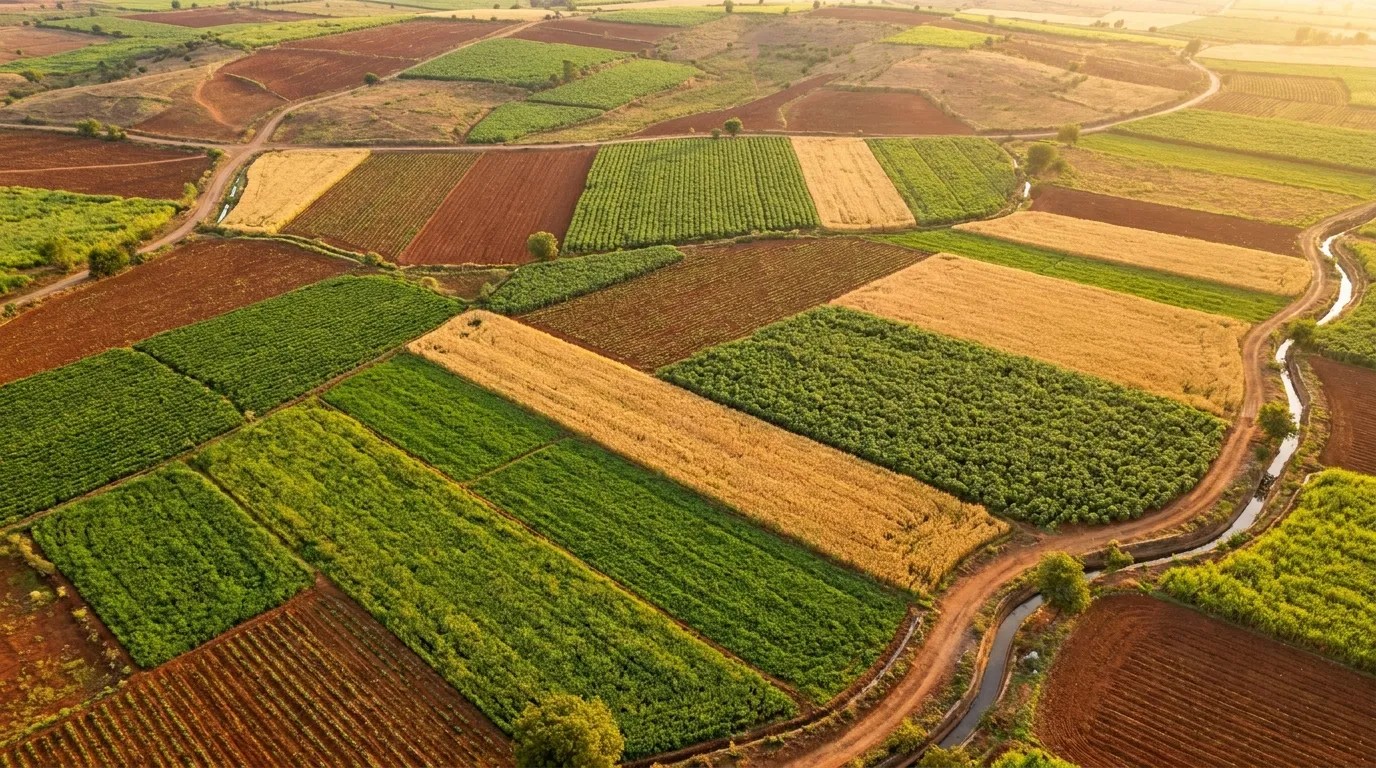
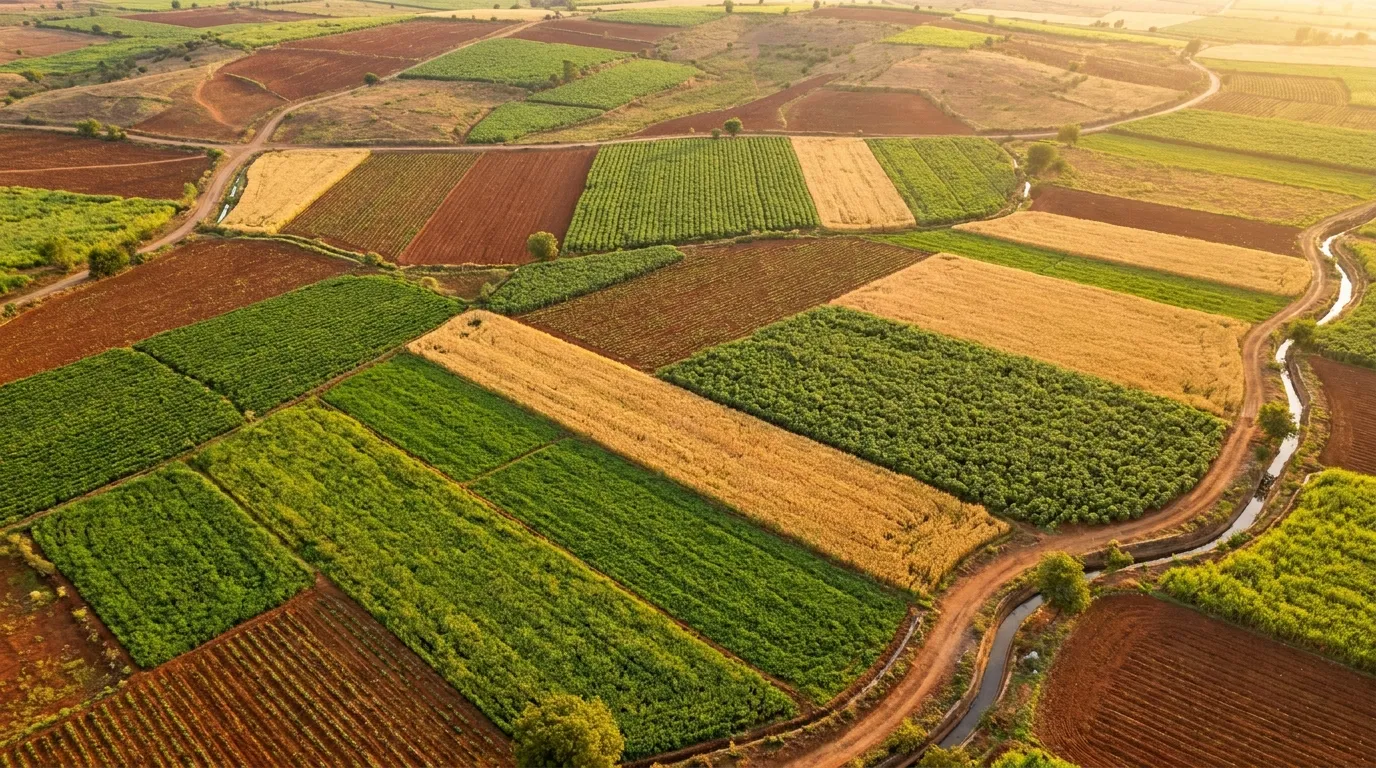
Crop rotation is the practice of growing a sequence of different crops on the same piece of land across successive seasons or years. Rather than planting the same crop year after year, farmers alternate between plant families, each with different nutrient demands, root structures, and biological relationships with soil organisms. This deliberate sequencing restores what each crop depletes, breaks cycles that pests and diseases depend on, and builds long-term soil resilience.
The concept is ancient. Farmers in ancient Rome, China, and India practiced forms of crop rotation long before modern agronomy gave it a name. What has changed in 2026 is the urgency and the opportunity. Conventional monoculture farming, which dominates much of India's cotton belt and paddy regions, has pushed soils to their limits. Input costs have risen sharply. Yields have plateaued or declined. And the climate crisis has made every gram of soil carbon a strategic asset.
The Soil Degradation Crisis in India and Beyond
India is home to some of the world's most productive agricultural land, but decades of intensive monoculture, excessive chemical inputs, and poor water management have taken a serious toll. Soil organic carbon levels in many Indian farming districts have fallen well below the 1.5% threshold considered necessary for productive agriculture. In cotton-growing states like Maharashtra, Telangana, and Gujarat, farmers are caught in a cycle of rising input costs and falling returns.
Globally, the picture is equally concerning. Soil degradation costs the world an estimated $40 billion per year in lost agricultural productivity, according to the United Nations Convention to Combat Desertification. Crop rotation, when implemented as part of a broader regenerative system, directly addresses this crisis by rebuilding the biological and chemical foundations of healthy soil.
Crop Rotation as a Regenerative Foundation
In regenerative agriculture, crop rotation is not a standalone tactic. It works in concert with cover cropping, reduced tillage, biochar applications, and integrated pest management to create farming systems that give back more than they take. For Beetle Regen's partners across India and Bangladesh, crop rotation is the entry point into a broader transformation of how land is managed, how supply chains are structured, and how sustainability is measured.
To understand how crop rotation fits into the larger regenerative picture, see our guide on sustainable farming and regenerative agriculture.
2. The Science Behind Crop Rotation and Soil Health
The benefits of crop rotation are not anecdotal. They are grounded in well-established soil science, agronomy, and ecology. Understanding the mechanisms helps farmers and supply chain partners make informed decisions about which rotation sequences to adopt and why.
Nitrogen Fixation Through Legume Rotation
One of the most significant benefits of crop rotation is biological nitrogen fixation. Legumes, including chickpeas, lentils, groundnuts, and soybeans, form symbiotic relationships with soil bacteria called rhizobia. These bacteria convert atmospheric nitrogen into plant-available forms, effectively fertilizing the soil without synthetic inputs. When a legume crop follows a nitrogen-hungry crop like cotton or maize, the soil enters the next season with a natural nitrogen boost.
Studies consistently show that rotating cotton with legumes can reduce synthetic nitrogen fertilizer requirements by 20 to 40%, directly cutting input costs and reducing nitrous oxide emissions, a potent greenhouse gas. This is a critical lever for both farmer income improvement and scope 3 emissions reduction across textile supply chains.
Breaking Pest and Disease Cycles
Many of the most damaging agricultural pests and pathogens are host-specific. They thrive when the same crop is planted in the same field year after year. Crop rotation disrupts this cycle by removing the host plant, forcing pest populations to collapse or migrate. For cotton farmers, rotating away from cotton for one or two seasons dramatically reduces populations of bollworm, whitefly, and soil-borne fungal pathogens like Fusarium wilt.
This natural pest management reduces the need for chemical pesticides, which benefits soil microbial communities, reduces input costs, and improves the safety profile of the farm for workers and surrounding ecosystems.
Soil Organic Matter and Microbial Diversity
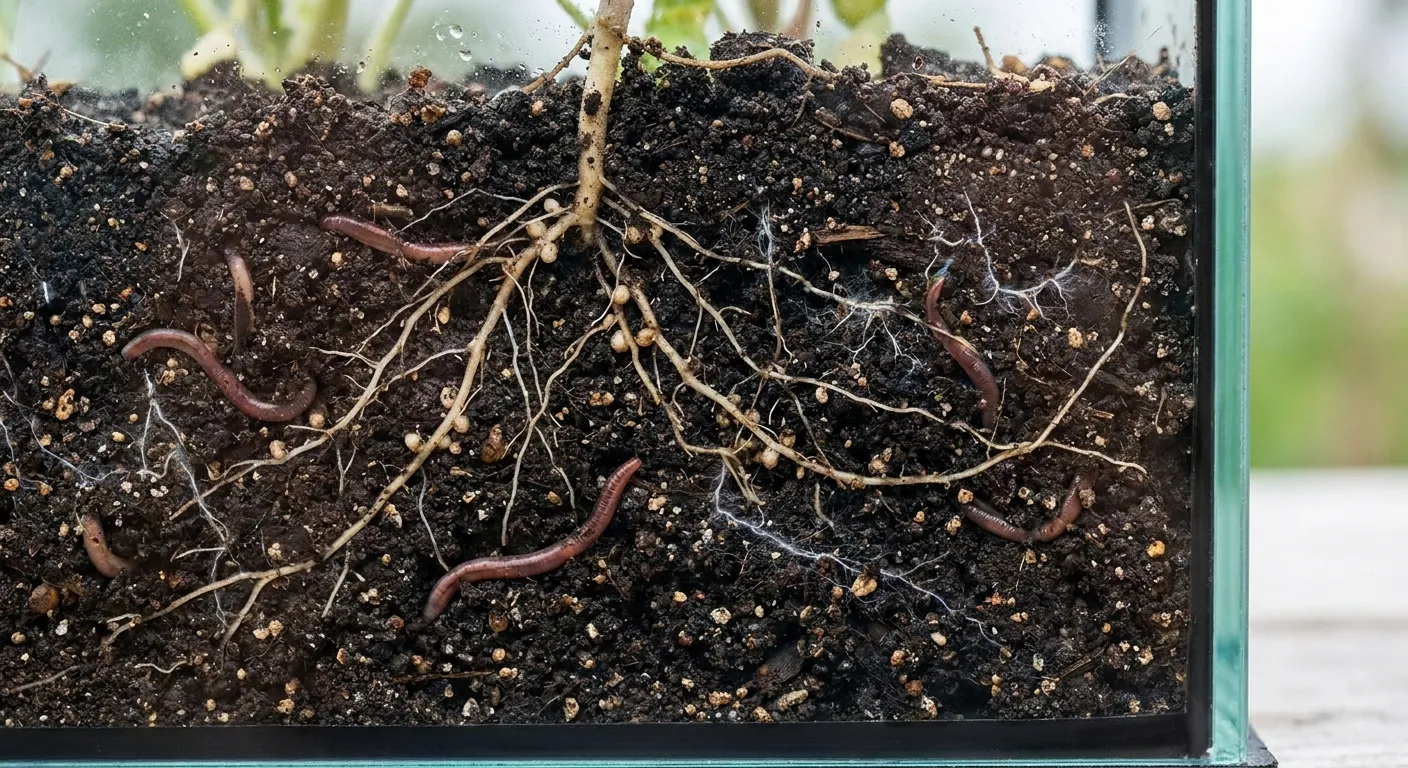
Different crops contribute different types and quantities of organic matter to the soil. Deep-rooted crops like sorghum or sunflower break up compacted subsoil layers and deposit carbon deep in the soil profile. Leafy crops add surface residues that feed soil fungi and bacteria. Legumes add nitrogen-rich biomass. Over time, a well-designed crop rotation builds a diverse, thriving soil microbiome that drives nutrient cycling, disease suppression, and water retention.
Healthy soil microbial communities are also the engine of carbon sequestration. They stabilize organic carbon in forms that persist in the soil for decades, contributing to measurable improvements in soil organic carbon levels that can be verified through soil testing protocols.
3. Crop Rotation Systems for Carbon Sequestration
Carbon sequestration through agriculture is one of the most promising nature-based solutions to climate change. Crop rotation plays a central role in this process, and understanding how it works is essential for any business or farming community seeking to participate in carbon markets or achieve carbon neutral goals.
How Rotating Crops Builds Soil Organic Carbon
Every time a crop grows, it draws carbon dioxide from the atmosphere through photosynthesis and deposits a portion of that carbon into the soil through its roots and residues. When crops are rotated strategically, the diversity of root architectures, residue types, and biological inputs maximizes the amount of carbon that is stabilized in the soil rather than released back into the atmosphere.
Research from the Indian Council of Agricultural Research (ICAR) and international bodies consistently shows that diversified crop rotations can increase soil organic carbon by 0.1 to 0.5% per year under well-managed conditions. Over a five-year rotation cycle, this represents a meaningful and measurable contribution to carbon sequestration goals.
Combining Crop Rotation with Biochar Applications
The carbon sequestration potential of crop rotation is significantly amplified when combined with biochar applications. Biochar, a stable form of charcoal produced from agricultural waste, acts as a long-term carbon sink in the soil. It also improves soil water retention, enhances microbial habitat, and increases the availability of nutrients released by rotating crops.
Beetle Regen's biochar-based carbon insetting programs integrate biochar application into rotation cycles, creating a compounding effect on soil carbon levels. This approach allows farmers to generate verified carbon credits while simultaneously improving soil health and crop yields. For textile brands seeking to address their scope 3 emissions, partnering with farms that combine crop rotation and biochar is one of the most credible and measurable pathways available.
For a deeper understanding of how carbon sequestration is measured and verified, read our comprehensive framework on carbon sequestration in agriculture.
Carbon Insetting and Rotation-Based Programs
Carbon insetting refers to the practice of investing in carbon reduction or sequestration activities within a company's own supply chain, rather than purchasing external offsets. Crop rotation programs in cotton-growing regions of India are an ideal vehicle for carbon insetting. When a textile brand partners with Beetle Regen to implement rotation-based regenerative programs across its supplier farms, the carbon sequestered in those soils can be attributed directly to the brand's supply chain, strengthening the credibility of its sustainability reporting.
This approach also supports sustainability reporting requirements under frameworks like the Science Based Targets initiative (SBTi), the Global Reporting Initiative (GRI), and emerging textile-specific compliance standards. Learn more about how regenerative agriculture data flows into supply chain reporting in our guide on integrating regenerative agriculture data across supply chains.
4. Crop Rotation Strategies for Cotton and Textile Supply Chains
Cotton is one of the most resource-intensive crops in the world. It is also the backbone of India's textile industry and a critical raw material for global fashion brands. The way cotton is grown has profound implications for soil health, water use, carbon emissions, and farmer livelihoods. Crop rotation is one of the most effective tools available to transform cotton farming from a depleting practice into a regenerative one.
The Problem with Cotton Monoculture
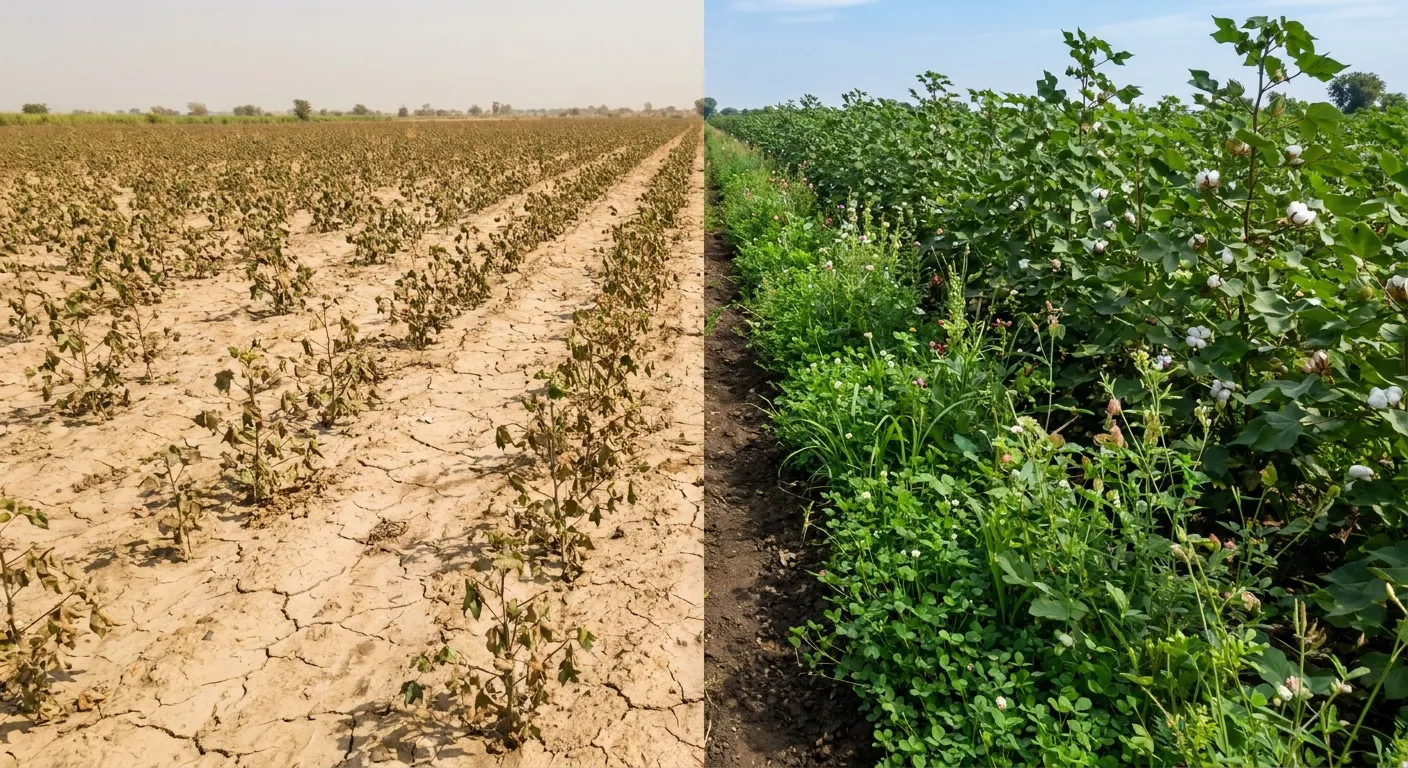
In many parts of India, cotton has been grown on the same land for decades without meaningful rotation. This continuous monoculture has depleted soil nitrogen, reduced organic matter, created ideal conditions for pest and disease buildup, and made farmers increasingly dependent on synthetic fertilizers and pesticides. The result is a vicious cycle: lower yields require more inputs, which further degrade the soil, which further reduces yields.
For textile brands, this means their raw material is sourced from increasingly fragile farming systems. It also means their supply chains carry significant environmental and social risk, including the risk of crop failure, farmer debt, and reputational exposure as farm-to-fashion supply chain transparency becomes a regulatory and consumer expectation.
Recommended Rotation Sequences for Indian Cotton Farmers
The most effective crop rotation sequences for cotton-growing regions in India depend on local climate, soil type, and market access. However, several well-tested sequences have shown strong results across Maharashtra, Telangana, Andhra Pradesh, and Gujarat:
- Cotton → Chickpea → Sorghum: A classic three-year rotation that restores nitrogen through chickpea, breaks cotton pest cycles, and adds deep-rooted biomass through sorghum.
- Cotton → Groundnut → Maize: Effective in lighter soils, this sequence improves nitrogen levels, diversifies farmer income, and reduces bollworm pressure.
- Cotton → Green Manure (Dhaincha) → Paddy: Suitable for irrigated regions, this rotation uses green manure to build organic matter before a paddy season, reducing synthetic fertilizer needs in both crops.
- Cotton → Lentil → Fallow with Cover Crop: A lower-input sequence suited to dryland farming, where the fallow period with a cover crop builds soil biology and suppresses weeds naturally.
Selecting the right rotation requires baseline soil testing to understand current nutrient levels, pH, and organic carbon content. This data guides the choice of rotation crops and helps track improvement over time.
Blockchain Traceability and Textile Compliance
As textile supply chain compliance requirements tighten across the European Union, the United Kingdom, and other major markets, brands need verifiable evidence that their sourcing practices meet environmental and social standards. Crop rotation data, when captured through digital farm management systems and linked to blockchain traceability platforms, becomes a powerful compliance asset.
Beetle Regen's traceability systems allow rotation records, soil test results, input logs, and carbon sequestration data to be linked to specific farm plots and cotton bales. This creates an auditable chain of evidence that supports both internal sustainability reporting and external certification requirements. For brands like Primark, H&M, Marks & Spencer, and others with ambitious Net Zero commitments, this level of supply chain visibility is increasingly non-negotiable.
Explore how supply chain transformation through regenerative agriculture works in practice in our detailed guide on supply chain transformation through regenerative agriculture consulting.
5. Crop Rotation and Net Zero: Connecting Farm Practices to Corporate Goals
The connection between on-farm crop rotation and corporate Net Zero commitments is direct, measurable, and increasingly recognized by sustainability frameworks. For companies with significant agricultural supply chains, crop rotation is not just a farming practice. It is a strategic climate tool.
How Crop Rotation Contributes to Carbon Neutral Goals
When a brand's supplier farms implement crop rotation as part of a verified regenerative program, the resulting soil carbon gains can be quantified and attributed to the brand's supply chain emissions profile. This reduces the brand's scope 3 emissions, which for most textile companies represent 80 to 90% of their total carbon footprint. Achieving meaningful scope 3 reductions requires intervention at the farm level, and crop rotation is one of the most cost-effective interventions available.
Brands can also use rotation-based carbon sequestration to generate carbon credits that support their carbon neutral claims. When these credits are generated within the brand's own supply chain through carbon insetting, they carry greater credibility than purchased offsets from unrelated projects. This distinction matters increasingly to investors, regulators, and consumers evaluating the authenticity of corporate sustainability commitments.
ERP Integration and Sustainability Reporting
For corporate sustainability teams, the challenge is not just implementing crop rotation programs but capturing and reporting the data they generate. ERP integration allows rotation schedules, soil test results, input records, and carbon sequestration estimates to flow into enterprise sustainability management systems. This enables accurate, auditable sustainability reporting aligned with frameworks like GRI, CDP, and the Task Force on Climate-related Financial Disclosures (TCFD).
Beetle Regen's Sustainability as a Service (SaaS) offering supports this integration, providing brands with the technical infrastructure to connect farm-level data to corporate reporting systems. This is particularly valuable for brands navigating the EU Corporate Sustainability Reporting Directive (CSRD) and other emerging textile compliance requirements.
For a broader view of how regenerative agriculture aligns with climate policy and regulatory frameworks, see our analysis on how regenerative agriculture aligns with climate policy.
6. Implementing Crop Rotation: A Step-by-Step Framework for Farmers
Transitioning to a crop rotation system requires planning, knowledge, and support. The following framework is designed for farmers in India and Bangladesh who are ready to move beyond monoculture and build more resilient, productive, and profitable farming systems.

Step 1: Conduct Baseline Soil Testing
Before designing a rotation plan, farmers need to understand the current state of their soil. Soil testing should measure pH, organic carbon content, nitrogen, phosphorus, potassium, and key micronutrients. This baseline data reveals which nutrients are depleted, which crops are most likely to thrive, and what the starting point is for tracking improvement over time. Beetle Regen's regenerative agriculture programs include soil testing as a foundational step, ensuring that rotation plans are grounded in real data rather than guesswork.
Step 2: Map Current Cropping Patterns and Identify Gaps
Farmers should document what has been grown on each plot over the past three to five years. This mapping exercise reveals patterns of monoculture, identifies plots with the highest pest pressure or yield decline, and highlights opportunities for rotation. It also provides the baseline against which future improvements can be measured for carbon credit verification.
Step 3: Design a Rotation Plan Suited to Local Conditions
A good crop rotation plan balances agronomic logic with market reality. Farmers need to be able to sell what they grow. The rotation sequence should include crops with established local markets, crops that improve soil health, and crops that diversify income. Beetle Regen's capacity building programs work with farmers to co-design rotation plans that are both ecologically sound and economically viable, reflecting the farmer-first philosophy at the heart of regenerative agriculture.
Step 4: Integrate Cover Crops and Green Manures
Cover crops planted between main crop seasons are a powerful complement to crop rotation. They protect bare soil from erosion, add organic matter, suppress weeds, and in the case of leguminous cover crops, fix additional nitrogen. Green manures, which are cover crops incorporated into the soil before the next main crop, provide a concentrated burst of organic matter and nutrients. Together, cover crops and crop rotation create a continuous cycle of soil building.
For a detailed guide on cover crop selection and management, see our resource on cover crops in regenerative agriculture.
Step 5: Monitor, Measure, and Adapt with Data
Crop rotation is not a set-and-forget practice. Farmers should conduct annual soil tests to track changes in organic carbon, nitrogen, and biological activity. Yield data should be recorded for each crop in the rotation to identify which sequences perform best under local conditions. This monitoring data also feeds into carbon credit verification processes, supporting the financial returns that make regenerative transition economically attractive.
The Role of Regenerative Agriculture Capacity Building
Knowledge is the most important input in a crop rotation system. Farmers who understand why rotation works, not just how to do it, are better equipped to adapt their plans when conditions change. Beetle Regen's regenerative agriculture capacity building programs provide farmers with the scientific knowledge, practical skills, and peer networks they need to implement crop rotation successfully and sustain it over the long term. This collaborative approach to knowledge building is what distinguishes genuine regenerative transition from superficial compliance.
7. Crop Rotation and Farmer Income: The Economic Case
The environmental case for crop rotation is compelling. But for farmers operating on thin margins in competitive markets, the economic case is equally important. Crop rotation, when implemented well, improves farmer income through multiple channels.
Reduced Input Costs
As soil health improves through rotation, farmers need fewer synthetic fertilizers and pesticides to achieve the same or better yields. Nitrogen-fixing legumes in the rotation reduce fertilizer bills. Natural pest suppression reduces pesticide costs. Over a three-to-five-year rotation cycle, input cost reductions of 20 to 35% are commonly reported by farmers who have transitioned to regenerative systems. These savings go directly to the farmer's bottom line.
Diversified Income Streams
Monoculture farming concentrates all income risk in a single crop. If cotton prices fall or a pest outbreak reduces yields, the farmer has no buffer. Crop rotation naturally diversifies income across multiple crops and seasons. A farmer rotating cotton with chickpeas and sorghum has three potential income streams, each with different price cycles and risk profiles. This diversification builds financial resilience at the farm level.
Carbon Credit Revenue
Farmers who implement verified crop rotation programs as part of a regenerative agriculture framework can generate carbon credits from the soil carbon they sequester. These credits can be sold to textile brands and other companies seeking to address their scope 3 emissions through carbon insetting. For smallholder farmers in India, carbon credit revenue can represent a meaningful supplement to crop income, improving overall household financial security.
To understand how carbon credits are generated and monetized in regenerative agriculture contexts, read our guide on how carbon credits transform regenerative agriculture.
Improved Yields Over Time
The yield benefits of crop rotation compound over time. As soil organic matter increases, water retention improves, and biological nutrient cycling becomes more efficient, crop yields tend to rise even as input costs fall. Research from regenerative agriculture programs across India shows that cotton yields in rotation systems often exceed those from continuous monoculture within three to five years of transition, even without increased synthetic inputs. This is the economic engine that makes regenerative agriculture a viable long-term strategy for farmers and the brands that source from them.
For a detailed comparison of regenerative versus conventional farming returns, see our analysis on regenerative agriculture vs. conventional farming ROI in 2026.
8. Frequently Asked Questions About Crop Rotation
How long does it take to see results from crop rotation?
Farmers typically begin to see measurable improvements in soil health within one to two rotation cycles, which may span two to four years depending on the crops involved. Pest pressure often decreases noticeably in the first season after rotation begins. Soil organic carbon improvements, which are the basis for carbon credit generation, are typically measurable after three to five years of consistent rotation practice.
Can small-scale farmers in India implement crop rotation?
Yes. Crop rotation is highly adaptable to small landholdings. In fact, many traditional Indian farming systems already incorporated rotation principles before the shift to monoculture in the Green Revolution era. The key is access to knowledge, market linkages for rotation crops, and financial support during the transition period. Beetle Regen's farmer-first programs are specifically designed to make regenerative transition accessible and economically viable for smallholder farmers across India and Bangladesh.
What crops work best in a rotation with cotton?
The best rotation partners for cotton in Indian conditions include chickpea, groundnut, lentil, sorghum, maize, and green manure crops like dhaincha (Sesbania bispinosa). The ideal choice depends on local soil type, rainfall patterns, irrigation availability, and market access. A soil test and agronomic assessment are the best starting points for selecting the right rotation sequence for a specific farm.
How does crop rotation differ from cover cropping?
Crop rotation involves alternating the main cash crops grown on a piece of land across seasons or years. Cover cropping involves growing non-cash crops between main crop seasons specifically to protect and improve the soil. The two practices are complementary and are most effective when used together. Cover crops can be integrated into rotation sequences to maximize soil health benefits between main crop seasons.
How can brands verify that their suppliers are using crop rotation?
Verification requires a combination of farm-level data collection, third-party auditing, and digital traceability systems. Beetle Regen's traceability platform captures rotation records, soil test results, and input logs at the farm level and links this data to specific cotton bales through the supply chain. This creates an auditable evidence trail that supports both internal sustainability reporting and external certification requirements, including those required for textile supply chain compliance in the EU and UK markets.
"Crop rotation is not just a farming technique. It is a systems-level intervention that rebuilds the biological, chemical, and physical foundations of productive land while simultaneously addressing climate, economic, and social challenges across the agricultural value chain."
Crop Rotation as the Foundation of a Regenerative Future
The evidence is clear. Crop rotation is one of the most powerful, cost-effective, and scalable tools available to address soil degradation, reduce agricultural emissions, improve farmer income, and build the transparent, resilient supply chains that textile brands and their customers increasingly demand. It is not a silver bullet, but it is an essential foundation on which every other regenerative practice builds.
For farmers in India and Bangladesh, crop rotation offers a practical pathway out of the monoculture trap, with lower input costs, diversified income, and access to carbon credit revenue. For textile brands and retailers, it offers a credible, supply-chain-embedded approach to reducing scope 3 emissions and meeting Net Zero commitments. For policymakers and sustainability advocates, it represents a nature-based solution with proven results at scale.
At Beetle Regen, we have built our programs around the understanding that lasting change in agriculture requires farmer-first design, rigorous science, and deep supply chain integration. Our regenerative cotton programs, biochar-based carbon insetting solutions, and Sustainability as a Service offerings are all grounded in the foundational practice of crop rotation, scaled and verified for the demands of modern sustainability reporting and textile compliance.
If you are ready to explore how crop rotation and regenerative agriculture can transform your supply chain, reduce your carbon footprint, and strengthen farmer livelihoods, we invite you to connect with the Beetle Regen team and take the first step toward a genuinely regenerative future.