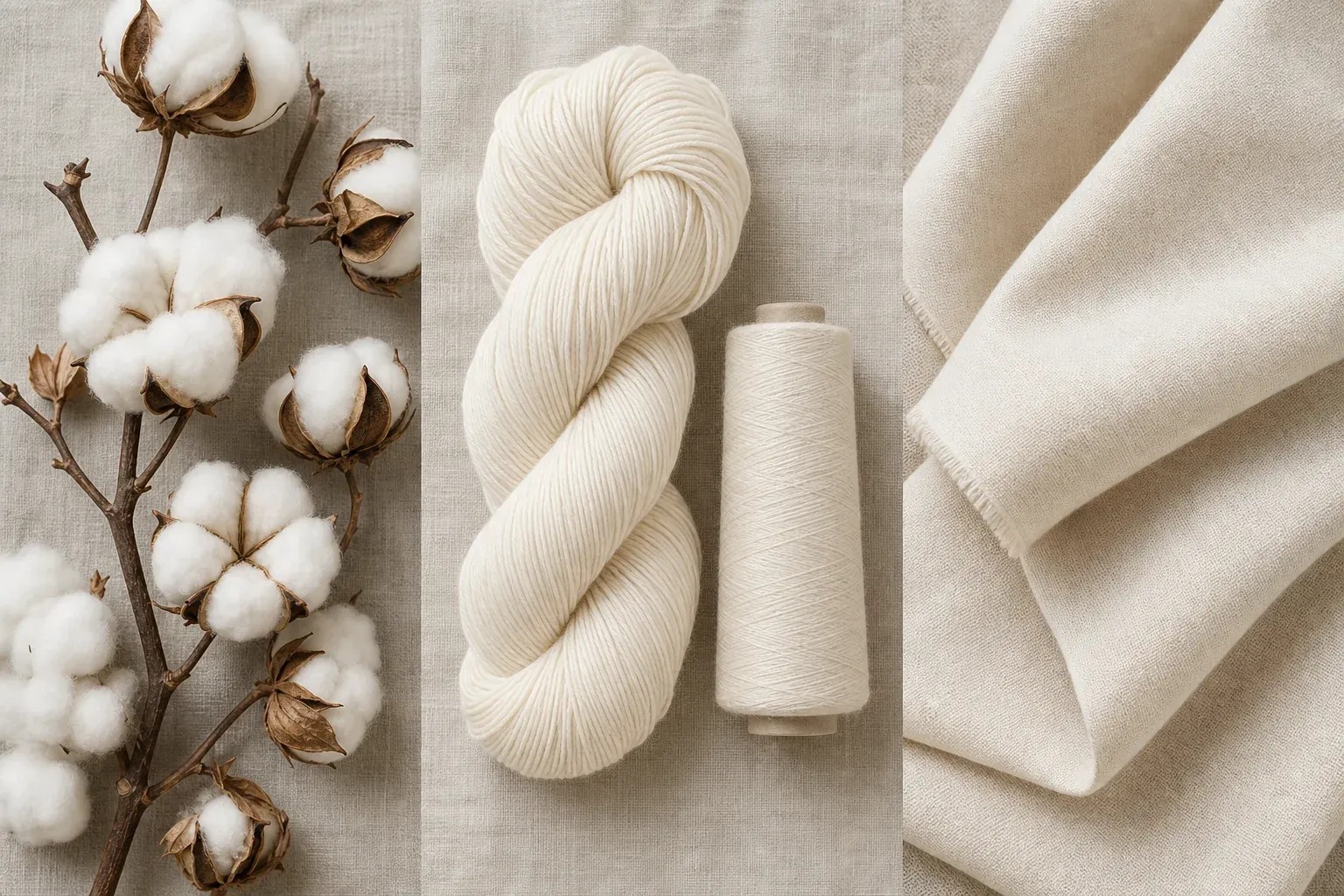
ELS Cotton v/s Regular Cotton: What Textile Buyers Should Know
A denim brand's sourcing lead once compared two fabric swatches under a loupe, both labeled "100% cotton," both destined for a mid-range jeans line. One had a subtle sheen and almost no visible fuzz along the weave. The other looked dull and slightly hairy at the seams even before a single wash. The difference wasn't the weave or the dye. It was the fiber underneath, and it's a distinction most buyers never learn to spot until a return-rate report forces the question. That's the practical starting point for comparing ELS cotton v/s regular cotton: two fibers that look similar on a spec sheet but behave very differently in a garment's second year of life.
For sourcing teams balancing cost targets, durability claims, and increasingly strict carbon disclosure rules, this comparison isn't academic. It shapes unit economics, return rates, and whether a brand can defend a sustainability claim to an auditor. This guide breaks down fiber quality, durability, price, and sustainability credentials side by side, then gives a clear framework for deciding when the ELS premium is worth paying.
What Sets ELS Cotton Apart From Regular Cotton
Extra long staple (ELS) cotton refers to fiber with a staple length generally above 1 3/8 inches (about 34.9mm), sometimes reaching 1 1/2 inches or more in premium varieties. Regular cotton, also called upland or short-to-medium staple cotton, typically measures between 0.9 and 1.2 inches. That gap of a few millimeters sounds trivial, but it changes almost everything downstream in spinning and weaving.
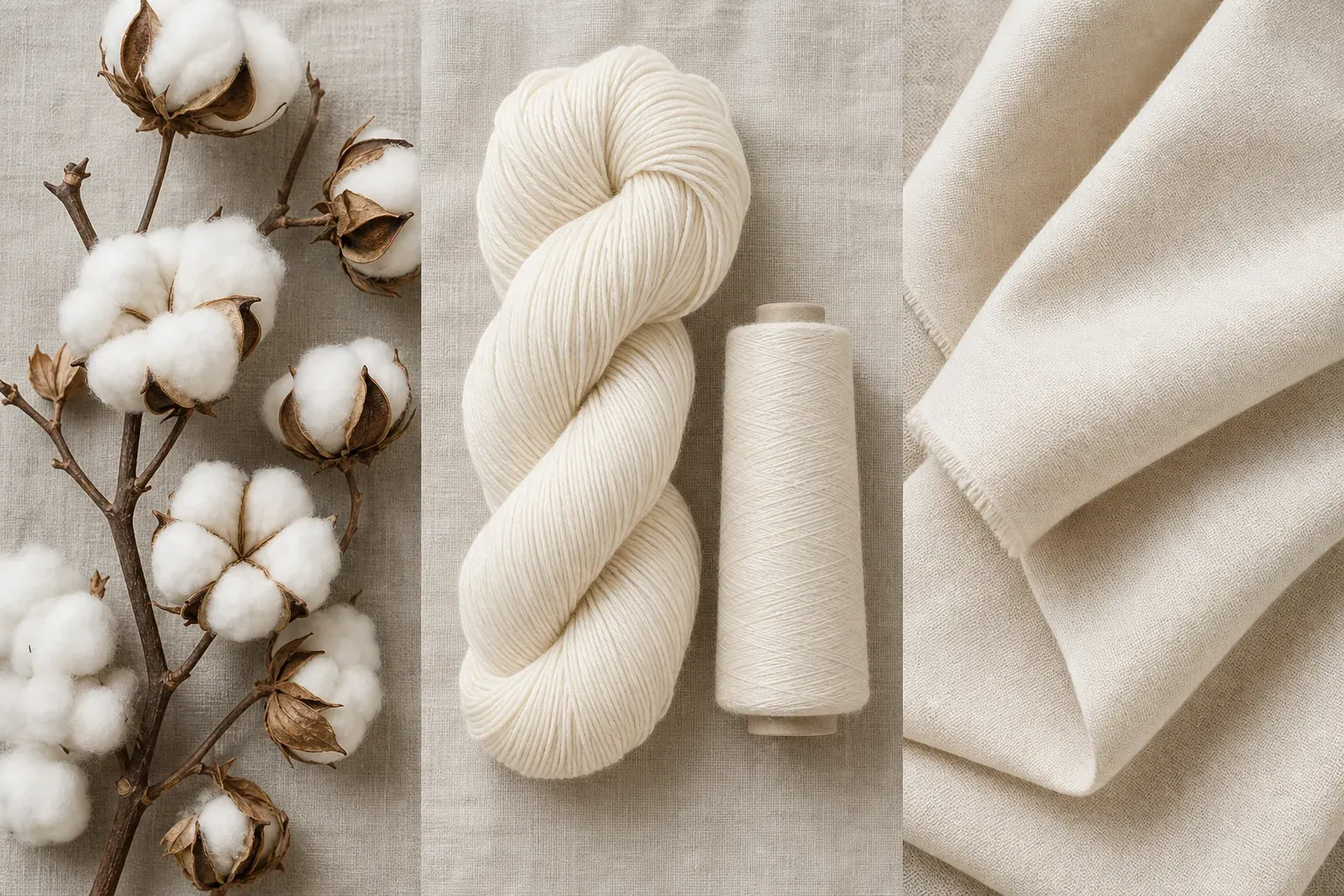
Well-known ELS varieties include Pima (grown mainly in the US Southwest and Peru), Egyptian Giza cottons, and Sea Island cotton, alongside India's own Suvin and DCH-32 varieties. Regular cotton in India is dominated by Shankar-6 and various Bt hybrid varieties grown across Gujarat, Maharashtra, and Telangana, which together account for the bulk of national cotton acreage. Longer fibers allow spinners to twist finer, stronger yarns with fewer protruding fiber ends, which is why ELS fabrics tend to look smoother and hold their shape longer.
If you're new to how fiber length interacts with yield and farm-level economics, our complete guide to extra long staple fiber covers the agronomic side in more depth. It's worth reading before you approach any ELS supplier conversation, because staple length claims are easy to overstate and hard to verify without lab data.
ELS Cotton v/s Regular Cotton: Fiber Quality and Performance Compared
Fiber quality comes down to a handful of measurable properties that spinning mills test in every bale: staple length, micronaire (fiber fineness), tensile strength, and uniformity ratio. Here's how the two categories generally compare:
- Staple length: ELS averages 1.375 to 1.5+ inches; regular cotton averages 0.9 to 1.2 inches.
- Tensile strength: ELS fiber typically tests stronger per unit, resisting breakage during high-speed spinning.
- Micronaire: ELS fiber tends to be finer, producing softer hand-feel and better dye uptake.
- Uniformity ratio: ELS bales show tighter consistency, which reduces slubs and thin spots in finished yarn.
- Pilling resistance: Fabrics from longer fibers shed fewer loose ends, so they pill less after repeated washing.
In practice, this means ELS-based fabrics feel smoother against skin, take dye more evenly, and hold a crisper drape. Regular cotton, particularly from hybrid varieties bred for yield rather than fiber refinement, produces a coarser hand-feel that's perfectly acceptable for basics, toweling, and high-volume casualwear but noticeably rougher in premium shirting or fine knitwear.
None of this makes regular cotton a poor fiber. It's the backbone of the global textile industry precisely because it balances yield, cost, and adequate performance for the majority of garment categories. The comparison only tips toward ELS when a brand's product positioning depends on tactile quality, like fine bedsheets, dress shirts, or premium denim.
Durability and Longevity in Finished Garments
Durability is where the ELS cotton v/s regular cotton debate gets most concrete for buyers worried about returns and warranty claims. Longer, stronger fibers resist breakage during repeated wash-and-wear cycles, which translates into garments that hold their shape and surface appearance longer. Wear testing across the industry consistently shows ELS-based fabrics losing less tensile strength after 20-plus industrial wash cycles compared to short-staple equivalents of similar weight.
That durability advantage matters most in specific product categories:
- Premium dress shirting, where fabric smoothness and colorfastness directly affect perceived quality.
- Denim marketed on longevity, where brands want the garment to age well rather than degrade.
- Fine knitwear and hosiery, where pilling is the most common customer complaint.
- Home textiles like high-thread-count bedding, where fiber length affects both softness and wash durability.
For high-volume basics like T-shirts, uniforms, or budget-tier casualwear, regular cotton generally performs well enough that the extra durability of ELS fiber doesn't change customer perception or return rates meaningfully. Spending the premium there rarely pays back in margin or brand equity. This is the core trade-off buyers need to model product by product, not apply as a blanket sourcing rule.
Price Premium: What Drives the Cost Gap Between ELS and Regular Cotton
ELS cotton commands a real price premium over regular cotton, and that gap comes from structural factors rather than marketing positioning. Understanding the drivers helps buyers negotiate honestly with suppliers instead of accepting a flat markup.
- Lower yields per acre: ELS varieties like Suvin often produce less lint per acre than high-yield Bt hybrids, so farmers need a higher price to match their income from regular cotton.
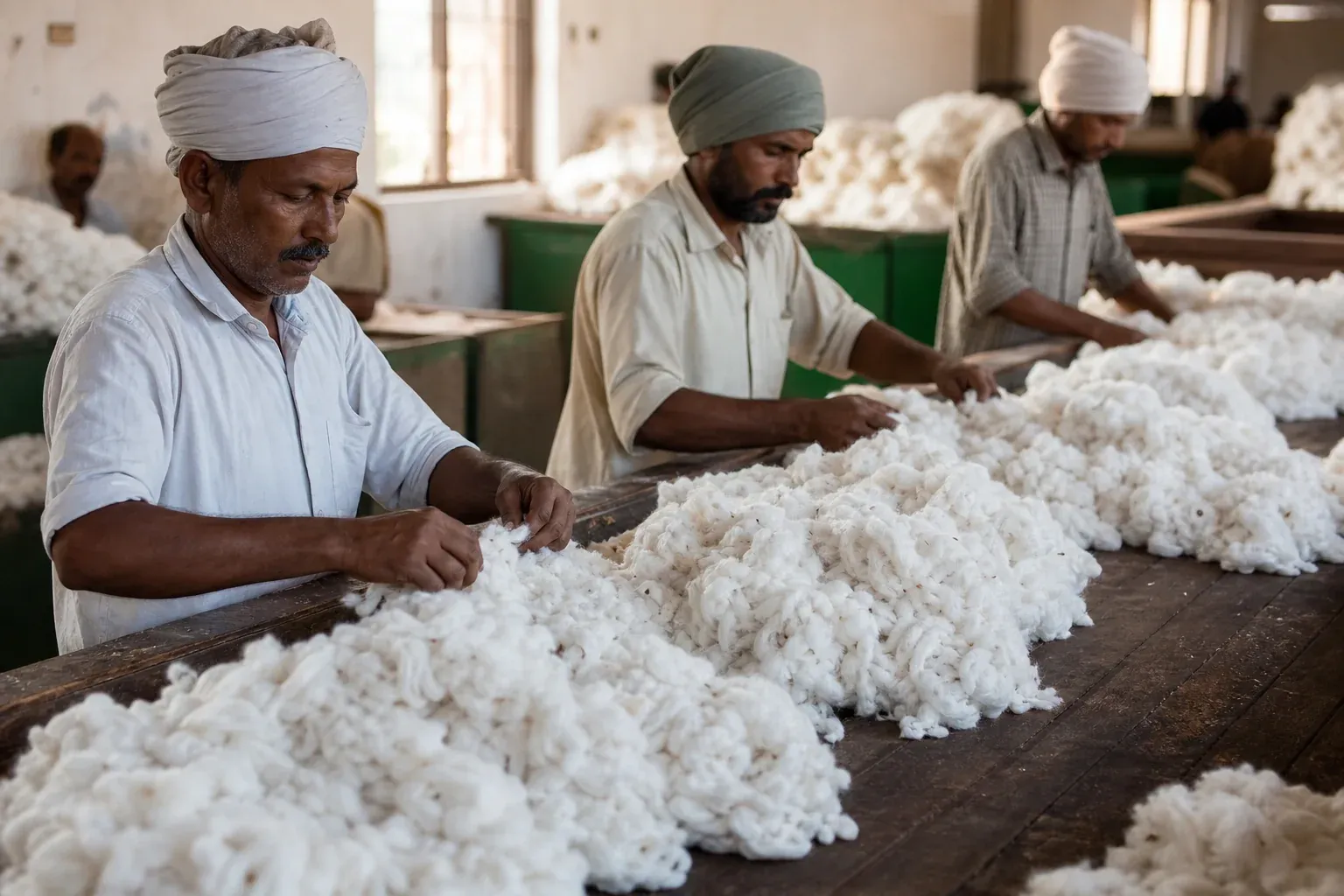
- Specialized ginning: Longer fibers require roller ginning rather than saw ginning to avoid fiber damage, which is slower and costs more per unit processed.
- Concentrated global supply: The bulk of ELS cotton comes from a small number of regions, Egypt, the US Southwest, and pockets of India, which limits competitive pricing pressure compared to the globally distributed regular cotton market.
- Handling and storage: ELS bales require more careful transport to avoid fiber breakage, adding logistics cost through the supply chain.
Exact premiums vary by season, region, and contract terms, so treat any fixed percentage you hear from a single supplier with caution. The more useful question for a sourcing team is not "what's the premium" but "what does that premium buy us in fiber performance, traceability, and supply chain risk reduction." That's where regenerative sourcing models change the calculation.
Sustainability Credentials: Where Regenerative Sourcing Changes the Comparison
Conventional regular cotton farming carries a well-documented environmental cost. It's among the more water- and pesticide-intensive row crops grown at scale, and repeated monocropping cycles have degraded soil health across many of India's cotton belts. According to the UN Food and Agriculture Organization, roughly a third of global soils are already degraded, and conventional cotton production is a contributing factor in many regions through heavy tillage and synthetic input reliance.
Here's what changes the ELS cotton v/s regular cotton conversation for sustainability-focused buyers: fiber classification and farming method are two separate variables. A cotton bale can be ELS or regular, and it can be grown conventionally or regeneratively. The real sustainability gap isn't between ELS and regular cotton as categories, it's between conventionally farmed cotton of either type and regeneratively grown cotton that rebuilds soil carbon, reduces water use, and supports farmer income.
Beetle Regen works directly with smallholder cotton farmers across India to transition both ELS and regular cotton acreage into regenerative systems. This includes biochar-based carbon insetting that returns organic carbon to depleted soils, alternative wetting and drying methods that cut water use in irrigated plots, and high-density planting systems that improve yield per acre without expanding land under cultivation. If you want the deeper agronomic picture, our guide on how regenerative agriculture increases crop yield walks through the mechanisms in detail.
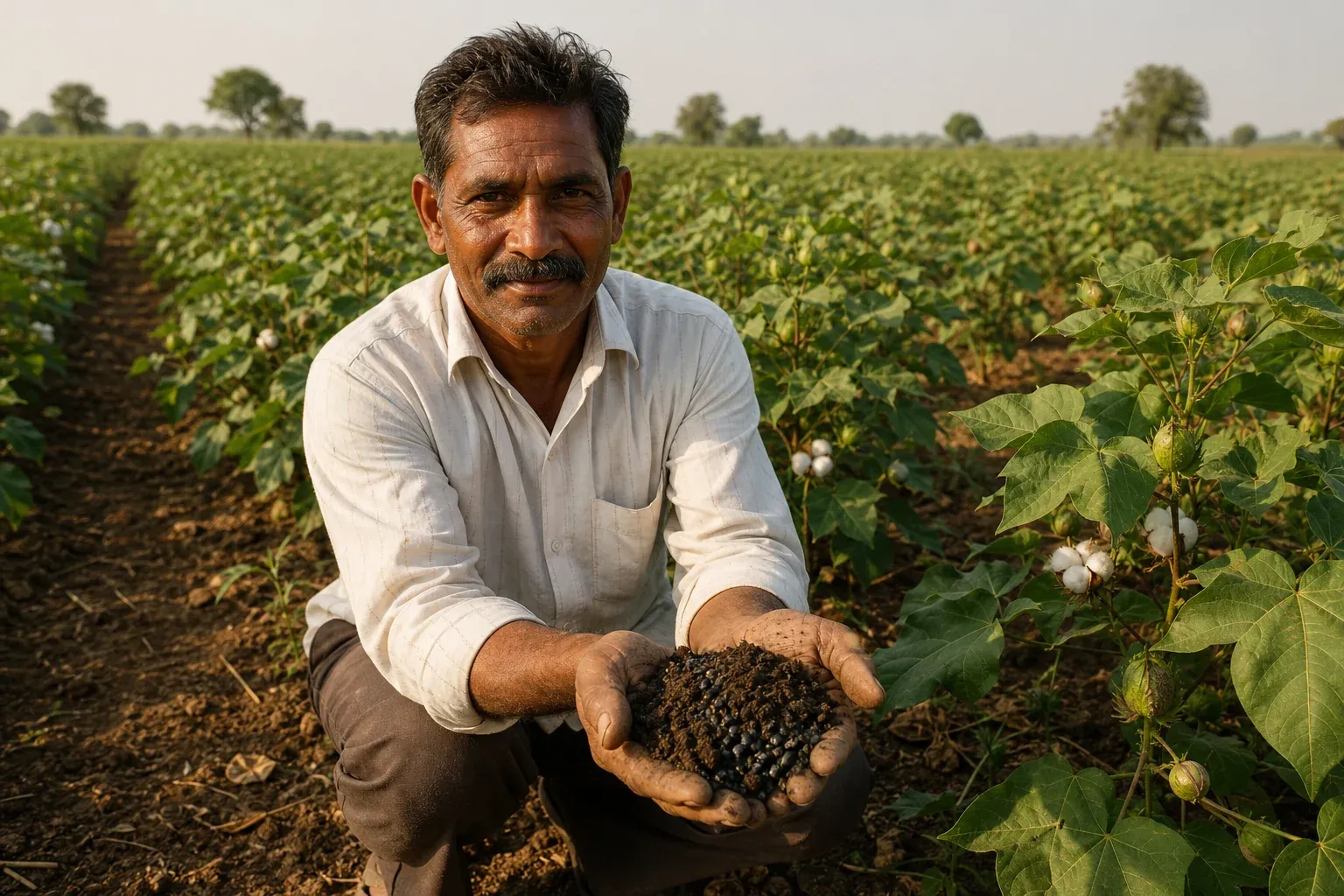
For brands sourcing ELS cotton specifically for its performance qualities, pairing it with regenerative farming practices closes a credibility gap that pure fiber-length marketing can't address. A shirt made from long-staple cotton grown on degraded soil with heavy pesticide use is still a fiber with an unresolved environmental footprint. Our earlier piece on regenerative vs conventional cotton and what brands actually pay for unpacks this distinction in more financial detail.
Traceability and Supply Chain Resilience: ELS v/s Regular Cotton Sourcing
Most regular cotton moves through long, blended supply chains where bales from many farms mix at the ginning stage, making farm-level traceability nearly impossible without a dedicated system. ELS cotton, because it's grown at smaller scale and often segregated for quality reasons, lends itself more naturally to traceable, farmer-linked sourcing models, but only if a brand or supplier builds that infrastructure deliberately.
This matters more now than it did even two years ago. The EU Corporate Sustainability Reporting Directive (CSRD) is pushing European brands and their India-based manufacturing partners to disclose Scope 3 emissions with farm-level granularity that generic regular cotton sourcing simply can't produce. Brands sourcing from India or Bangladesh need documented origin data, not just a country-of-origin label, to satisfy these requirements.
A resilient supply chain also depends on how sourcing is structured at the farm level. Regular cotton belts often rely on monoculture practices that leave farmers exposed to pest outbreaks, price volatility, and soil-driven yield collapse in bad seasons. Diversified, regeneratively managed smallholder networks, of the kind Beetle Regen builds through farmer training and cooperative structures, spread that risk across more farms and practices. This also opens carbon credit monetization pathways for smallholders, giving them an income stream independent of cotton price swings. Our guides on supply chain traceability for regenerative cotton and MRV and traceability systems for cotton go deeper into how this data gets captured and verified from farm to fashion.
For brands specifically wrestling with Scope 3 disclosure across cotton sourcing, whether ELS or regular, our fashion brand net zero roadmap outlines the sequence of steps that make traceability and carbon accounting defensible under audit.
When Should Brands Pay the ELS Premium Over Regular Cotton?
There's no universal answer here, but there is a clear decision framework. Ask these questions before committing sourcing budget to ELS cotton:
- What tier is the product? Premium shirting, fine denim, or luxury home textiles justify the fiber quality difference. Basics and high-volume casualwear usually don't.
- Does the customer notice hand-feel? If a garment sits close to skin or gets marketed on comfort and softness, ELS fiber delivers a perceptible difference that supports pricing.
- What's the return-rate history? If pilling or shape loss is driving returns on a specific SKU, ELS fiber's durability advantage can pay back the premium through reduced returns and warranty claims.
- How exposed is the brand to Scope 3 and CSRD reporting? If disclosure pressure is high, pairing ELS sourcing with a traceable, regenerative program addresses both fiber quality and compliance risk in one supplier relationship.
- Can the supply chain actually verify origin? An ELS claim without traceability data is a marketing risk, not a sustainability asset. Verify before you commit.
In practice, many brands land on a hybrid strategy: regeneratively grown regular cotton for volume basics, and regenerative ELS cotton for flagship or premium lines where fiber quality and a verifiable sustainability story both carry commercial weight. This lets a brand manage cost exposure while still building a credible net zero narrative across its cotton portfolio.
If you're evaluating suppliers for either category, our sustainability as a service model guide explains how a consultancy can help structure sourcing, carbon accounting, and traceability as one integrated program rather than three separate vendor relationships.
Frequently Asked Questions About ELS Cotton v/s Regular Cotton
Is ELS cotton always organic or regenerative?
No. ELS is a fiber classification based on staple length, not a farming method. ELS cotton can be grown conventionally with heavy synthetic inputs, or regeneratively with soil-building practices. Buyers need to verify the farming method separately from the fiber grade.
How much longer does ELS cotton last than regular cotton in a finished garment?
There's no single fixed number since it depends on fabric construction, weight, and garment care, but wear testing consistently shows ELS-based fabrics retaining tensile strength and surface appearance longer through repeated wash cycles than comparable regular cotton fabrics, largely due to lower fiber breakage during spinning and less pilling over time.
Can regular cotton be sourced regeneratively too?
Yes, and this is often overlooked. The bulk of India's regenerative cotton acreage today is regular upland cotton, not ELS. Regenerative practices like cover cropping, reduced tillage, and biochar application apply equally well to short-staple hybrid varieties, making regenerative regular cotton a practical option for high-volume, cost-sensitive product lines.
Where is ELS cotton grown in India?
India's primary ELS varieties, Suvin and DCH-32, are grown in limited pockets of Tamil Nadu, Karnataka, and parts of Maharashtra, at much smaller acreage than the country's dominant Shankar-6 and Bt hybrid regular cotton belts. This limited acreage is part of why ELS cotton commands a premium and why traceable, farmer-linked sourcing programs are essential to secure consistent supply.
Choosing between ELS cotton and regular cotton isn't really a single decision, it's a portfolio question that touches product design, cost targets, and compliance strategy all at once. The fiber grade determines hand-feel and durability. The farming method determines your carbon footprint and traceability story. Getting both right requires a sourcing partner who understands the agronomy as well as the brand-side reporting pressure. Contact Beetle Regen to talk through your sourcing mix, whether that's a pilot regenerative ELS program for a flagship collection or a broader transition plan for your regular cotton base, and build a supply chain that holds up to both quality testing and ESG audit scrutiny.