
Beyond Carbon Credits: What Buyers Really Want from Climate Projects in 2026
Three years ago, a corporate sustainability director at a European apparel brand sat across from a carbon project developer and asked a question that stopped the meeting cold: "Can you show me where this credit came from, what it did for the farmer, and how it connects to my Scope 3 inventory?" The developer had a registry certificate and a price per tonne. That was it. The meeting ended without a deal.
That conversation is now the norm, not the exception. The carbon market has matured faster than most project developers anticipated. Buyers entering the market in 2026 are not simply looking to neutralize a number on a spreadsheet. They are making strategic investments in climate projects that must deliver measurable co-benefits, integrate into their supply chains, survive regulatory scrutiny, and generate stories their stakeholders actually want to hear.
For project developers — and for the consultancies and intermediaries who connect projects to buyers — understanding this shift is no longer optional. The most successful climate projects today are not the ones generating the largest credit volumes. They are the ones that answer a much harder question: what value does this project create beyond carbon?

The Buyer Has Changed — Has Your Project?
The typical carbon credit buyer of five years ago was often a procurement officer working from a budget line labeled "carbon offsets." The goal was simple: buy enough credits to balance reported emissions, ideally at the lowest cost per tonne. Quality checks were minimal. Registry listing was sufficient proof.
That buyer profile has been replaced, or at least significantly complicated, by a new generation of decision-makers. Today's climate project buyers include:
- Corporate sustainability teams accountable to science-based targets and net-zero commitments under frameworks like SBTi and the GHG Protocol
- Procurement and sourcing leads at textile and fashion brands who need climate action embedded in their supply chains, not bolted on afterward
- ESG officers and investor relations teams preparing disclosures under the EU's Corporate Sustainability Reporting Directive (CSRD) and similar frameworks
- Policy-aligned organizations, including climate think tanks and government ministries, seeking projects that demonstrate measurable, farmer-centric outcomes
Each of these buyers brings a different set of requirements. But they share one common expectation: the project must do more than generate a tonne of CO₂ equivalent on paper. It must create verifiable, reportable, and communicable value across multiple dimensions.
For project developers working in regenerative agriculture, particularly in markets like India and Bangladesh, where smallholder farming intersects with global textile supply chains, this shift represents both a challenge and a significant opportunity.
Co-Benefits Are No Longer Optional
Ask a sophisticated buyer what they mean by "quality" in a carbon credit, and the answer almost always includes co-benefits. These are the environmental and social outcomes a project generates alongside carbon sequestration or emissions reduction, and in 2026, they are increasingly the deciding factor in purchase decisions.
Environmental Co-Benefits Buyers Are Measuring
Soil health is the co-benefit drawing the most attention in agricultural carbon projects. Buyers want to see measurable improvements in soil organic carbon, water retention capacity, and microbial activity, not just as proof of sequestration, but as evidence that the project is building long-term agricultural resilience. A project that sequesters carbon while degrading the land it operates on is no longer credible to informed buyers.
Biodiversity outcomes are gaining ground quickly. Buyers with commitments under the Taskforce on Nature-related Financial Disclosures (TNFD) or the Kunming-Montreal Global Biodiversity Framework are actively seeking projects that can demonstrate habitat improvement, reduced pesticide use, and increased species diversity. The biodiversity restoration buyer's guide covers how these metrics are being measured and reported in practice.
Water stewardship is a third environmental co-benefit with growing buyer demand, particularly relevant in cotton-growing regions of India where water scarcity is a material supply chain risk. Projects that incorporate water management practices, such as Alternative Wetting and Drying (AWD) in rice farming or reduced irrigation in regenerative cotton systems, can demonstrate water co-benefits that directly address buyer supply chain concerns.
Social Co-Benefits: The Farmer Livelihood Dimension
Buyers are increasingly aware that a climate project built on the labor of smallholder farmers carries a social responsibility. Projects that can demonstrate improved farmer income, reduced input costs, better access to markets, and genuine capacity building are commanding stronger buyer interest, and in some cases, premium pricing.
This is not purely altruistic. Buyers facing scrutiny under supply chain due diligence regulations need to demonstrate that their climate investments do not create or perpetuate social harm. A project that improves farmer livelihoods while sequestering carbon is a far safer and more defensible investment than one that treats farmers as passive credit-generating assets.
Aligning co-benefits with the UN Sustainable Development Goals (SDGs), particularly SDG 1 (No Poverty), SDG 2 (Zero Hunger), SDG 13 (Climate Action), and SDG 15 (Life on Land), gives buyers a recognized framework for reporting these outcomes in their ESG disclosures.
Supply Chain Integration: From Offset to Inset
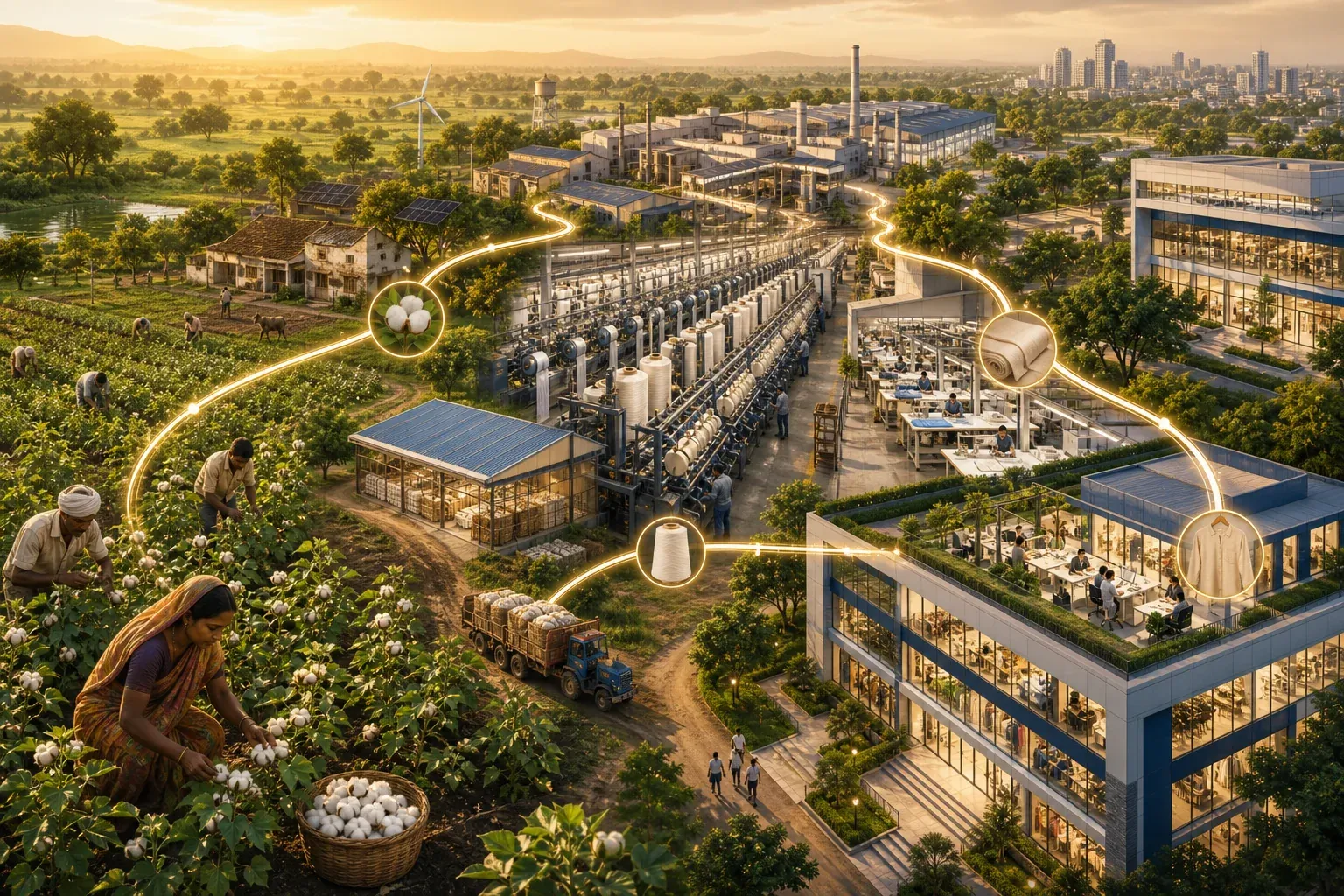
One of the most significant structural shifts in buyer behavior is the move away from purchasing carbon credits as a standalone offset and toward embedding climate action directly inside the supply chain. This is the logic behind carbon insetting, and it is reshaping what buyers are willing to pay for.
Why Insetting Is Winning the Strategic Argument
Carbon offsetting asks a buyer to fund a climate project somewhere in the world to compensate for emissions they generate elsewhere. Carbon insetting asks a buyer to fund climate action within their own value chain, typically at the agricultural or raw material sourcing stage, so that the emissions reduction is directly connected to the product they are selling.
For a textile brand sourcing cotton from India, an insetting project means funding regenerative agriculture practices on the farms that actually supply their cotton. The carbon sequestered in those soils is directly attributable to the brand's supply chain. The co-benefits, improved soil health, better farmer income, reduced water use, are happening in the same geography as the brand's sourcing risk. The traceability story connects the farm to the finished garment.
This is a fundamentally more defensible position for a brand facing regulatory scrutiny, investor questions, or consumer skepticism about greenwashing. The carbon insetting solutions guide explains the mechanics of how this works in textile supply chains in detail.
Traceability as the Backbone of Credible Insetting
Insetting only works if the buyer can trace the connection between the climate action and their supply chain. This requires robust traceability infrastructure, farm-level data collection, GPS-verified field boundaries, practice verification, and a digital thread that connects the farm to the mill to the brand.
Buyers are now asking project developers and consultancies to demonstrate this traceability capability before committing to a project. A carbon credit without a traceable supply chain link is, for many buyers, no longer sufficient. The supply chain traceability guide for regenerative cotton outlines what this infrastructure looks like in practice for brands sourcing from South Asia.
For project developers, this means that building traceability systems is not a separate activity from building a carbon project, it is a core component of the project's value proposition.
Verification, Transparency, and the Trust Gap
Greenwashing scandals have made buyers cautious in ways that were not common even three years ago. High-profile investigations into the integrity of major carbon registries, and the subsequent media coverage, have created a trust gap that project developers must actively work to close.
What Buyers Are Scrutinizing in MRV
Measurement, Reporting, and Verification (MRV) is no longer a back-office compliance function. Sophisticated buyers are reviewing MRV methodologies before signing purchase agreements. They want to understand:
- How carbon sequestration is measured at the field level, and how frequently
- What baseline methodology was used, and whether it is conservative or optimistic
- Who conducts third-party verification, and whether that verifier has a conflict of interest
- How permanence risk is accounted for, particularly in soil carbon projects where reversals are possible
- Whether the MRV system can produce auditable data trails that satisfy CSRD or SBTi reporting requirements
Projects operating under recognized standards, Verra's Verified Carbon Standard (VCS), Gold Standard, or the Soil Carbon Initiative, have a baseline credibility advantage. But even registry-listed projects are now expected to provide additional transparency beyond the certificate. The complete guide to MRV and traceability systems for cotton covers what a robust verification framework looks like for agricultural projects.
The Greenwashing Risk Is Driving Demand for Depth
Buyers are not just protecting themselves from regulatory risk. They are protecting their brand reputation. A sustainability claim that unravels under media scrutiny, because the underlying carbon project was poorly verified or the co-benefits were overstated, can cause reputational damage that far exceeds the cost of the credits themselves.
This is why buyers are increasingly willing to pay a premium for projects that offer genuine transparency: detailed project documentation, accessible data dashboards, third-party audit reports, and clear communication about what the project does and does not claim. Transparency has become a competitive differentiator for project developers, not just a compliance requirement.
Stakeholder Storytelling: The Narrative Buyers Want to Share
Here is something that rarely appears in carbon market analysis but comes up consistently in buyer conversations: the story matters. Buyers are not just purchasing carbon tonnes, they are purchasing a narrative they can share with their customers, investors, employees, and regulators.
Why Farmer-First Projects Create Differentiated Buyer Value
A climate project centered on smallholder farmers in rural India or Bangladesh offers something that a large-scale industrial carbon project cannot: a human story with genuine emotional resonance. The farmer who transitioned from chemical-intensive cotton farming to regenerative practices, improved their soil health, increased their yield, and earned additional income through carbon credits, that story is compelling to a brand's marketing team, its ESG report writers, and its retail customers.
Buyers are increasingly asking project developers for farmer profiles, community impact data, and visual documentation of on-the-ground change. They want to be able to say, with evidence: "Our climate investment helped 500 farming families in Maharashtra improve their livelihoods while sequestering carbon in their soils."
This is not greenwashing, it is legitimate impact communication, provided the underlying data is real and verified. The difference between a credit certificate and a story that builds brand equity is the difference between a transaction and a partnership.
Connecting Project Narratives to ESG Disclosures
Buyers preparing sustainability reports under CSRD, GRI, or TCFD frameworks need more than a number. They need qualitative and quantitative evidence of impact that can be presented to auditors, investors, and regulators. Projects that provide structured impact reports, aligned with recognized reporting frameworks, are significantly easier for buyers to integrate into their disclosure processes.
For textile brands working toward net-zero commitments, the ability to connect a climate project to a specific supply chain geography, a specific set of farmers, and a specific set of measurable outcomes is a reporting asset. The fashion brand net zero roadmap outlines how these project narratives fit into a verified climate target strategy.
Durability and Long-Term Commitment
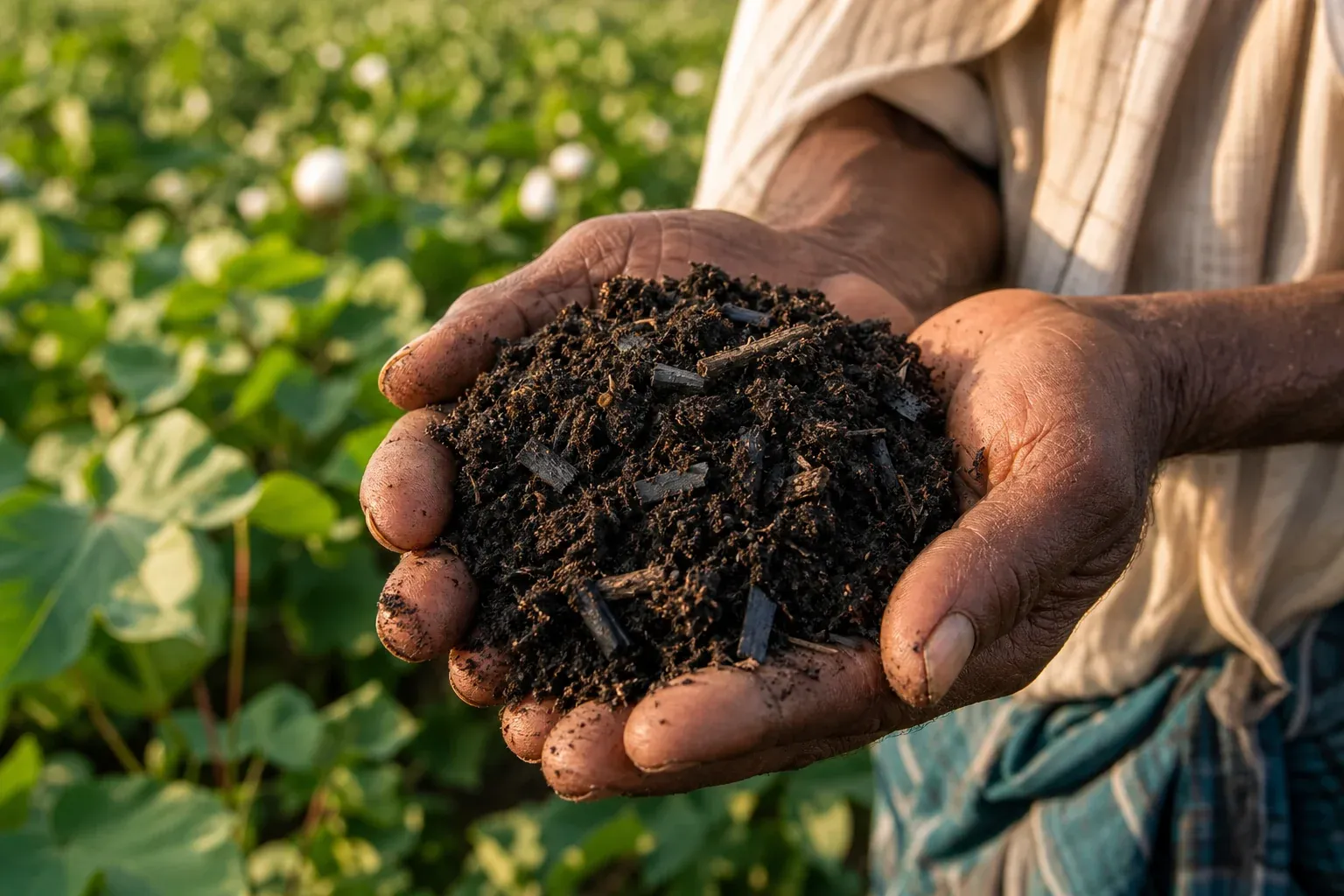
Permanence has always been a technical concern in carbon markets. But in 2026, durability has become a buyer preference, not just a methodology question. Buyers are actively seeking projects that offer long-term carbon storage, and they are structuring their purchasing decisions accordingly.
Why Durability Ratings Are Shaping Purchase Decisions
Soil carbon projects face a legitimate challenge: carbon stored in soil can be released if farming practices revert. Buyers who understand this risk are asking hard questions about how projects manage permanence, what buffer pools exist, what monitoring is in place to detect reversals, and what happens to the buyer's reported reduction if a reversal occurs.
Biochar-based carbon sequestration addresses this concern directly. Biochar, produced by pyrolyzing agricultural residues, creates a stable form of carbon that persists in soil for hundreds to thousands of years. Its durability ratings under recognized standards are significantly higher than those for soil organic carbon alone. For buyers seeking high-permanence carbon removal, biochar projects offer a credible answer to the durability question.
The biochar carbon removal durability guide explains how these ratings work and why they matter to different categories of buyers.
Multi-Year Partnerships Over Spot Purchases
Buyers with long-term net-zero commitments are moving away from annual spot purchases of carbon credits and toward multi-year project partnerships. This shift reflects a more sophisticated understanding of climate strategy: a one-off credit purchase does not build supply chain resilience, does not generate ongoing co-benefits, and does not create the kind of deep project knowledge that supports credible reporting.
Multi-year partnerships allow buyers to co-design project parameters, integrate project data into their reporting systems, and build relationships with the farming communities their investment supports. For project developers, this means that the ability to offer structured, long-term engagement, with clear milestones, regular reporting, and evolving co-benefit measurement, is a significant competitive advantage.
What Project Developers Must Do Differently in 2026

The buyer expectations described above are not aspirational, they are already shaping procurement decisions in the market. Project developers who continue to lead with credit volume and price per tonne are losing deals to projects that offer a more integrated, transparent, and co-benefit-rich proposition.
Here is what the shift requires in practice:
Design Projects With Buyer Integration in Mind
The most successful climate projects in 2026 are designed from the outset with buyer integration as a core objective, not as an afterthought. This means understanding the buyer's supply chain geography, their reporting frameworks, their co-benefit priorities, and their stakeholder communication needs before the project methodology is finalized.
For regenerative agriculture projects in India and Bangladesh, this means aligning project design with the sourcing geographies of the textile brands most likely to buy the credits. A biochar insetting project in Maharashtra that supplies cotton to European fashion brands should be designed to generate the specific co-benefit data those brands need for CSRD reporting, not generic impact metrics that don't map to any buyer's disclosure framework.
Build Co-Benefit Measurement Into MRV From Day One
Co-benefits cannot be retrofitted into a project that was designed only to measure carbon. Soil health indicators, biodiversity metrics, water use data, and farmer income improvements need to be built into the project's baseline assessment and ongoing monitoring framework from the start. This requires investment in field-level data collection, but it is an investment that directly increases the project's market value.
Frameworks like the regenerative agriculture methodology provide a foundation for integrating these measurements into a coherent project design. The key is ensuring that the metrics collected align with the reporting frameworks buyers are using, SDGs, TNFD, GRI, and sector-specific standards like the Higg Index for textile supply chains.
Communicate Value Beyond Tonne-Per-Credit Metrics
Project developers need to develop a new vocabulary for communicating project value. The conversation cannot start and end with price per tonne of CO₂ equivalent. It needs to include:
- Soil organic carbon improvement rates and what they mean for long-term agricultural productivity
- Number of farming families reached and measurable income improvements
- Water savings per hectare and what that means for supply chain resilience in water-stressed regions
- Biodiversity indicators and how they connect to the buyer's nature-related disclosure obligations
- Traceability infrastructure and how it integrates with the buyer's existing supply chain data systems
Align With Buyer Reporting Frameworks
Buyers are operating under an increasingly complex web of reporting requirements. CSRD mandates detailed Scope 3 disclosures for large companies operating in or selling into the EU. SBTi requires that net-zero targets be grounded in science-based methodologies. The GHG Protocol provides the accounting framework most buyers use to categorize and report emissions reductions.
Project developers who understand these frameworks, and who can demonstrate how their project's outputs map to specific reporting requirements, are far easier for buyers to work with. This is not just a sales advantage; it is a genuine service that reduces the buyer's implementation burden and accelerates the path from project interest to signed agreement.
The guide on regenerative agriculture and climate policy alignment provides useful context on how project methodologies connect to the regulatory frameworks shaping buyer behavior.
Beetle Regen's Approach to the Evolving Buyer
Beetle Regen's work in regenerative cotton and biochar carbon insetting across India and Bangladesh is built around exactly these buyer expectations. Programs are designed to generate measurable co-benefits, soil health improvement, farmer income enhancement, water use reduction, alongside verified carbon sequestration. Traceability infrastructure connects farm-level data to brand-level reporting. Farmer capacity building creates the long-term practice change that makes carbon permanence credible.
The result is a climate project proposition that speaks to the full range of what buyers are looking for in 2026: not just a credit, but a verified, traceable, co-benefit-rich investment in supply chain resilience and farmer-first climate action.
Frequently Asked Questions
What do carbon credit buyers look for beyond price per tonne?
Sophisticated buyers in 2026 evaluate climate projects on co-benefits (soil health, biodiversity, farmer livelihoods), supply chain integration (can the project be linked to their own sourcing geography?), MRV quality (how robust and transparent is the verification?), durability (how long will the carbon stay sequestered?), and narrative value (can the project generate impact stories that support ESG disclosures and stakeholder communications?).
How do co-benefits affect the price and demand for carbon credits?
Projects with verified co-benefits, particularly those aligned with recognized SDGs and reporting frameworks like TNFD or GRI, typically command premium pricing in voluntary carbon markets. More importantly, they attract buyers who are making strategic, multi-year investments rather than one-off spot purchases. Co-benefits shift the conversation from commodity pricing to partnership value.
What is the difference between carbon insetting and offsetting for buyers?
Carbon offsetting involves purchasing credits from a project outside the buyer's value chain to compensate for emissions generated elsewhere. Carbon insetting involves funding climate action within the buyer's own supply chain, typically at the agricultural sourcing stage, so that the emissions reduction is directly attributable to the buyer's operations. Insetting is increasingly preferred by buyers facing regulatory scrutiny because it creates a direct, traceable link between the climate investment and the buyer's reported emissions reduction. The carbon insetting solutions guide covers this distinction in depth.
How can project developers demonstrate credibility to corporate buyers?
Credibility comes from four sources: recognized standards (Verra VCS, Gold Standard, or equivalent), robust third-party verification with no conflicts of interest, transparent and accessible project data that buyers can review and audit, and a track record of delivering promised co-benefits over time. Developers who can provide structured impact reports aligned with buyer reporting frameworks, and who offer multi-year partnership structures rather than one-off transactions, are significantly more credible to sophisticated corporate buyers.
Are regenerative agriculture projects in India and Bangladesh viable for international buyers?
Yes, and they are increasingly sought after. Textile brands sourcing cotton from India and Bangladesh have a direct supply chain rationale for investing in regenerative agriculture projects in those geographies. The co-benefits, improved soil health, better farmer livelihoods, reduced water use, are directly relevant to the brands' supply chain resilience and ESG reporting needs. The traceability infrastructure required for insetting also supports the brands' broader supply chain transparency commitments.
The carbon market's evolution is not a threat to project developers, it is a clarification. Buyers are telling the market exactly what they need: projects that are traceable, co-benefit-rich, supply-chain-integrated, and built on genuine partnerships with the farming communities they support. The developers who respond to that signal will find a market that is not just larger, but more stable, more strategic, and more aligned with the kind of long-term climate action that actually moves the needle.
If you are developing or sourcing climate projects and want to understand how to align your offering with what buyers are actually looking for in 2026, connect with the Beetle Regen team to explore how regenerative agriculture insetting programs in India and Bangladesh can meet your specific reporting, sourcing, and co-benefit requirements.